
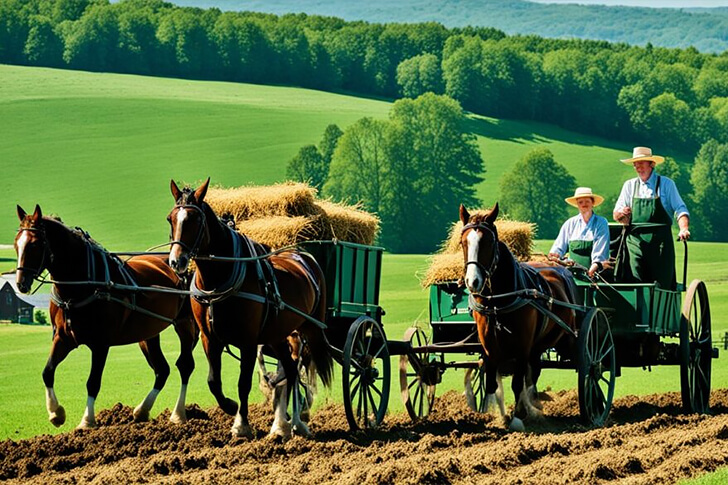
The Amish can seem like they stepped out of another century, but on the money front, they’re playing a smarter game than most of us. While the rest of the world chases shiny upgrades, trendy labels, and whatever new device just dropped, they stick to what actually matters. No constant “need” to replace perfectly good stuff, no lifestyle inflation disguised as self care. It’s less about deprivation and more about refusing to let modern noise run the budget. The result is a calmer, simpler way of living that also happens to cost a whole lot less.
They’re also masters at dodging the little purchases that quietly drain a paycheck. Instead of impulse buying, they repair what’s worn, reuse what still works, and make do without turning it into a big drama. Meals are built from scratch, not from a stack of takeout apps, and clothing gets mended instead of tossed. That kind of practical mindset stretches every dollar further, and it frees up mental space too. Borrow a few of these habits and you might save more without feeling like you’re constantly “on a budget.”
The Amish Playbook for Living Cheap (and Living Well)
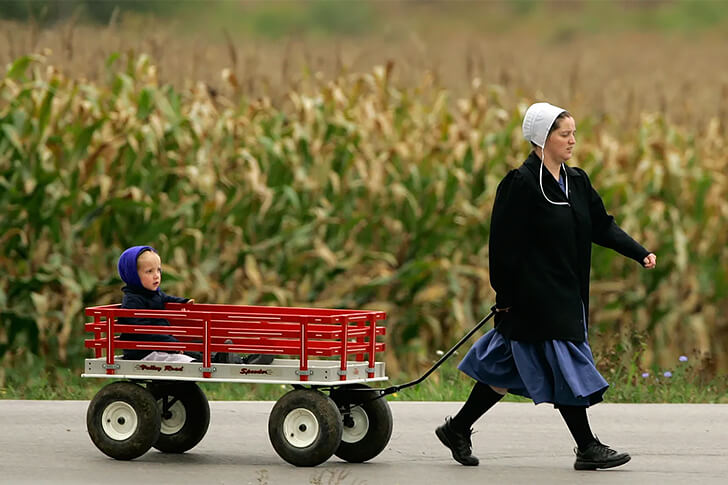
The Amish trace back to 17th-century Switzerland, splitting from Swiss Anabaptists to focus on simplicity, faith, and community. Known for their plain clothing, horse-drawn buggies, and strong DIY mindset, this community's way of life deeply reflects these cherished values. With an emphasis on having fewer possessions, they experience fewer distractions and reduced expenses, allowing more time and resources for what truly holds meaning. Eschewing debt, valuing hard work, and placing family at the forefront are central tenets. When making purchases, they act deliberately, ensuring durability and long-term use. By keeping their homes and schedules uncluttered, they are able to master the art of frugality and live intentionally.
How They Stop Debt From Taking Over
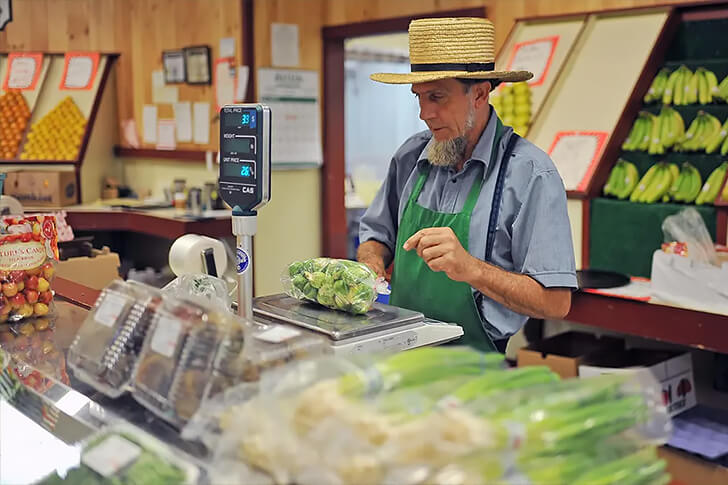
For the Amish, borrowing money is like grabbing a tool. Loans are for practical purchases such as a farm or equipment. They avoid debt that doesn’t support the family or work. When they take a loan, it’s a short-term bridge, and they plan to pay it quickly.
This mindset treats debt as an annoyance. They borrow only when it matters, keep amounts sensible, and stay disciplined about repayment. The result is steady finances and fewer surprises in a world where debt can snowball.
How Amish Potlucks Keep Food Costs Low
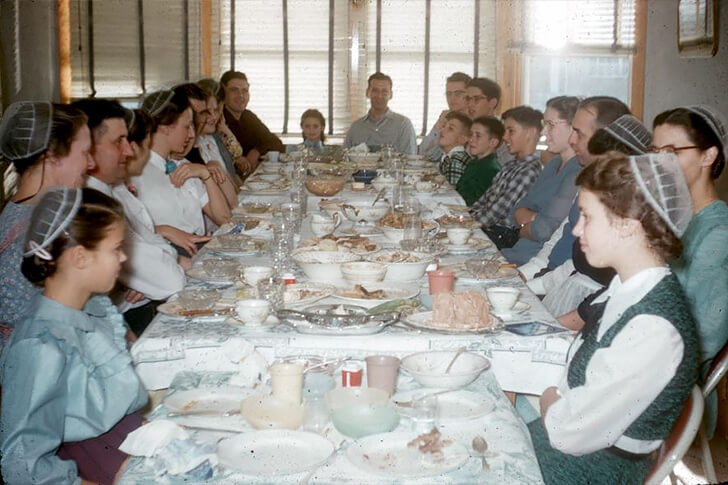
In these communities, Sunday is about gathering. Families bring one homemade dish to a potluck, ensuring no single person caters for everyone. This results in a bountiful meal without the stress of hosting solo. Workload and expenses are shared, providing an array of dishes. These gatherings contrast the high-priced offerings in restaurants and supermarkets. The collective effort reduces individual expenses and strengthens community bonds, creating a sense of contribution and belonging. This age-old tradition fosters togetherness and savings.
Power Out? They’re Fine
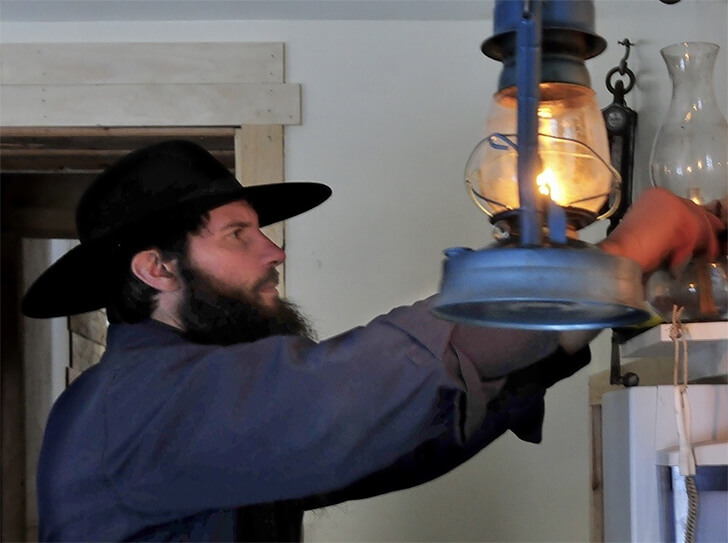
Most of us panic when the lights flicker. They just keep going, because electricity was never part of the plan. No outlets to hunt for, no cords snaking across the floor, no gadgets begging to be charged. Instead of flipping a switch, they light gas lamps or candles. Cooking stays simple too, with wood-burning stoves that make dinner feel genuinely homemade, not just reheated.
And yes, laundry still gets done, it just happens the old-school way. Think hand-cranked wringers, steady arms, and a little sweat. With no power bill and fewer energy-sucking habits, the household runs lean and practical. The payoff is a cheaper, calmer routine that keeps the focus on family and the stuff that actually matters.
Waste Less, Live Better: The Amish Way of Using It All
The Amish excel at using every bit. Clothes on their last stitch become quilts or rags. Kitchen scraps head to compost, not trash. Bulk buying uses canning jars, maintaining stocked root cellars to avoid waste. Their ethos sees what we discard as potential solutions, each item holding value. This means less trash, fewer store runs, and budget stretching through creativity. By focusing on resourcefulness, their practices inspire a more intentional and efficient lifestyle, contributing to sustainability one stitch at a time.
Amish Teens and Their “Wild” Year Outside

Picture growing up Amish and then, suddenly, getting permission to step into the “English” world for a bit. That’s Rumspringa. Around age 16, many Amish teens explore modern life by trying on denim, driving a car, grabbing fast food, or checking out tech they've only heard about. It’s not automatically a rebellion tour, but more a real-life test drive outside the farm.
The point is simple: experience the wider world, then decide if the Amish way fits. After that period, they choose to return and commit by joining the church, or walk away. Surprisingly, about 90% return, get baptized, and set aside modern conveniences, underscoring the strong community bonds and meaningful values, even with distractions outside.
Skipping College, Mastering the Skills That Matter
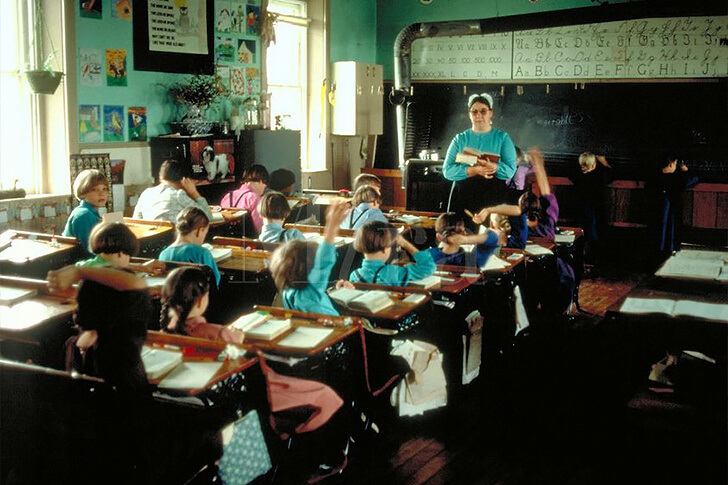
Formal schooling usually ends after eighth grade, shifting focus to hands-on skills necessary for daily life. Teens move from classroom basics to apprenticeships in trades like farming, carpentry, and baking. This aims to produce capable adults who can build, fix, and grow. Unlike those accruing student debt, they start earning and learning through practical experience. The lesson is clear: prioritize useful skills over credentials, avoiding unnecessary debt, textbooks, and irrelevant classes. Education aligns with real-life needs, not academic expectations.
Minimalism Done Right

Weddings here focus on simplicity, family, and faith. Forget tropical getaways and runway gowns. The bride wears a modest dress, often homemade in practical shades. Ceremonies are typically at home with relatives and friends close by. Everything feels personal and calm, centered around the commitment, not the spectacle.
Receptions feature comfort food like roast chicken and fresh-baked bread. No need for towering cakes or DJs. The day isn’t about keeping costs low, but about valuing community, faith, and marriage. Many modern weddings might learn from this approach.
Good Old-Fashioned Face Time
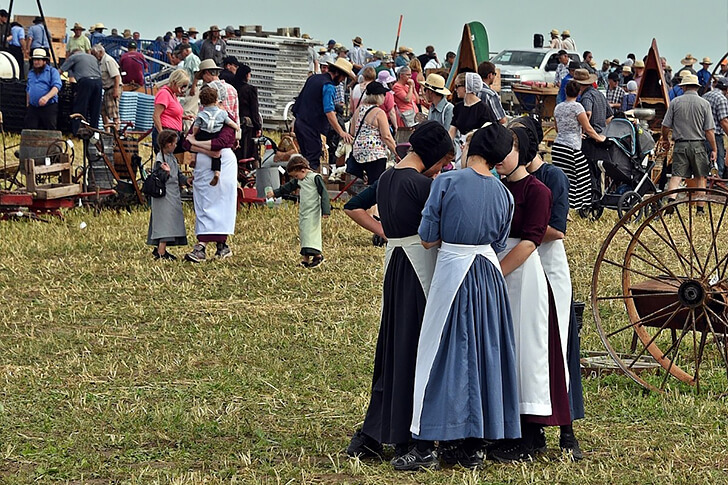
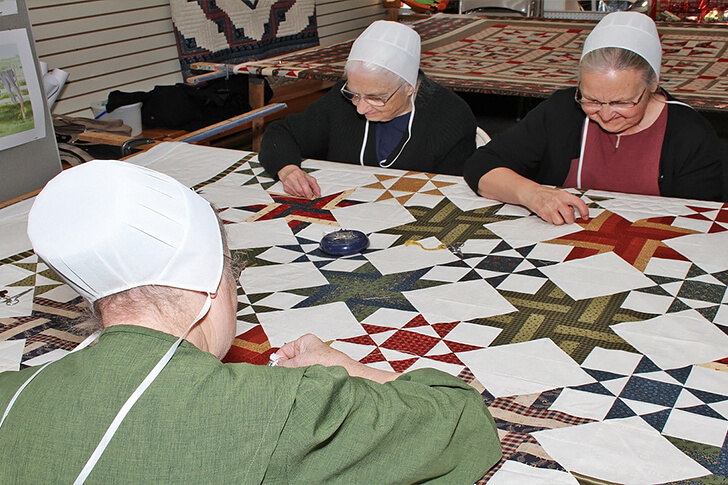
Picture a day with no pings, no doomscrolling, and nobody half-listening while they tap a screen. In Amish communities, this real, in-person time is normal. Gatherings like quilting bees pull everyone into the same space for teamwork and conversation. Think of it as the original potluck vibe, without rented halls or pricey centerpieces. The focus is showing up, pitching in, and seeing people.
Instead of spending money for a “fun” night, they build fun into the work. Folks share tools, time, food, and know-how, keeping costs low and the community strong. You save cash but also gain trust and friendship. It’s a reminder that closeness isn’t bought with a big budget or flashy distractions. Sometimes the best plan is simply gathering, helping, and talking.
Honeymoons Here Mean Knocking on Doors, Not Booking Flights
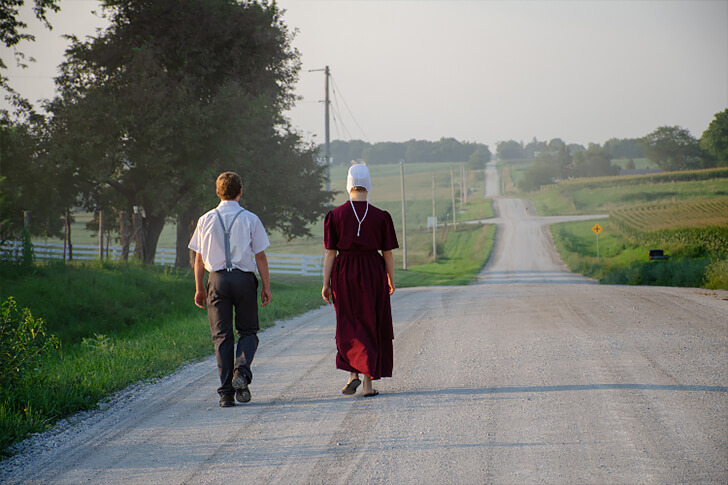
In these communities, a honeymoon is a "visiting tour" through relatives, neighbors, and friends. Each visit involves congratulations, advice, and gifts for married life. Avoiding expensive travel saves money and emphasizes marriage as a community project. Couples, like Sarah and Mike, spend days visiting homes, joined by family members carrying gifts. Simple conversations over tea strengthen bonds, rooting newlyweds in a network of support. This tradition emphasizes unity, with the community as a vital stakeholder, turning the post-wedding period into a meaningful journey.
Obesity? Yeah, Not Around Here

Why pay for a gym membership when your whole day is strength training? Here, obesity is rare, not due to calorie counting, but an active daily life. Activities like farming, carpentry, and barn raising keep people moving. The University of Maryland Medical Center finds lower obesity, diabetes, and hypertension rates. This built-in movement not only checks weight but promotes longevity, reducing medical bills and fitness expenses. It's a testament to the benefits of a simple, active routine.
Three Tongues, One Tight-Knit Community

It’s wild: a community that largely skips the internet, yet runs on three languages. The Amish deftly use Pennsylvania Dutch, High German, and English. At home, Pennsylvania Dutch is everyday chatter. In church, High German provides formal rhythm. English serves for external dealings, from paperwork to business.
This setup not only impresses but maintains culture and eases daily life. Each language has its role, ensuring clear communication without fancy apps. Avoiding paid language courses, they naturally pass down knowledge, keeping bonds strong. Trilingualism here is smart, low-cost cultural preservation.
No Rulebook, Still Rules, Say Hello to the Ordnung

No downloads, no “version 2.0,” no committee arguing over edits, just the Ordnung, the Amish community’s long-running expectations. It’s an unwritten guide covering the big stuff: modest clothing, a low-tech lifestyle, and putting the community ahead of personal flash. Instead of being filed away, it’s passed down through daily life, taught like a family recipe by watching, doing, and being reminded when it matters.
This unofficial rulebook helps decide which modern conveniences to skip and why belonging beats keeping up with trends. It’s a practical money saver: fewer gadgets mean fewer upgrades and bills. The Ordnung’s steady, old-school approach offers a calmer, budget-friendly rhythm, grounding the community in traditions instead of getting swept up in modern life.
Cross the Line? Here’s What Meidung Really Means

Break a rule in this community and you get Meidung, or shunning. Violate the Ordnung, the shared code, and face deliberate social distance. No meals together, no business dealings, and no small talk. It's the silent treatment with weight, reinforcing that belonging comes with responsibilities.
Meidung’s aim is not revenge but to guide someone back to the group, not exile them. By defining acceptable behavior, it maintains order and keeps daily life smooth. It reinforces unity, practically showing that the group’s values are foundational.
Plain Outfits, Serious Savings
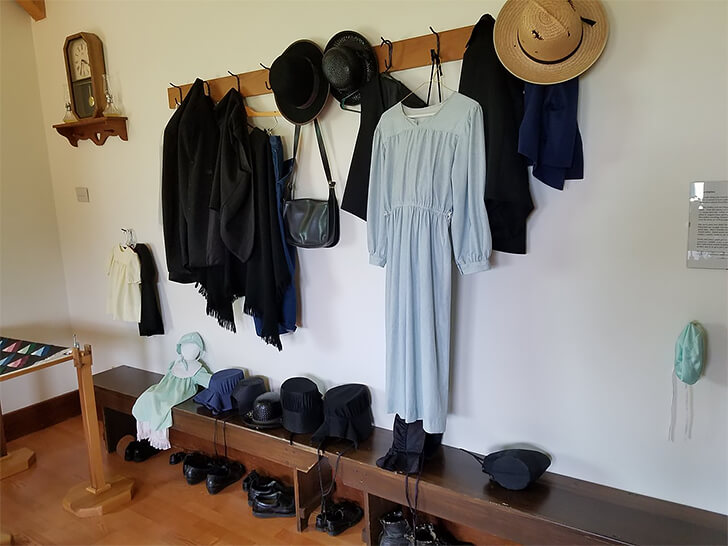
For the Amish, fashion is about simplicity. Think solid colors, long sleeves, and no flashy patterns. Their clothes are modest, practical, and often handmade, avoiding designer markups. Sturdy fabrics and classic cuts eliminate the need for frequent replacements. The Amish prioritize durability and function, cutting out the cycle of buying and regretting. This approach is a money-saving strategy that any minimalist can truly appreciate. By focusing on what is necessary rather than trendy, their wardrobes not only keep costs down but also align with sustainable living principles. Such prioritization of quality over quantity offers a refreshing perspective in a consumer-driven world.
Masters of Making Every Dollar Count
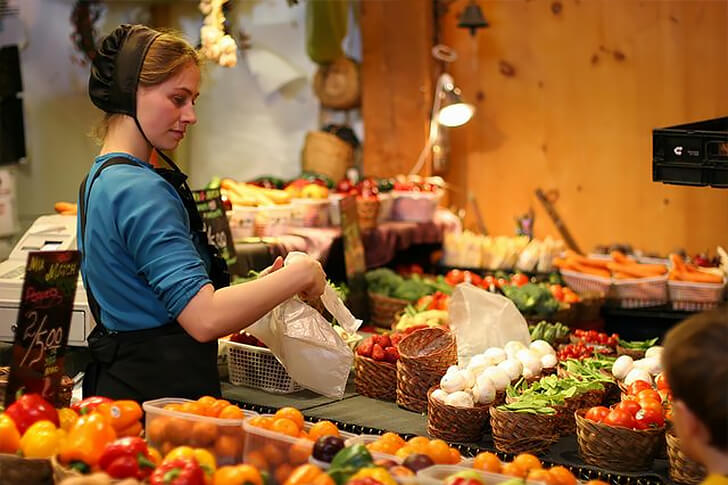
While many swipe cards and stack debt, one community quietly saves around 20% of earnings without sales, rewards, or coupons. Their simple plan: avoid debt, buy only what's needed, and choose secondhand. In “Money Secrets of the Amish,” Lorilee highlights their knack for delaying gratification and making things last.
No “treat yourself” sprees, just steady saving. By valuing long-term usefulness over quick thrills and relying on community, they build financial stability. It’s a wake-up call: mindful spending and practical purchases lead to significant savings, without flashy budgets or investing hacks.
Classic Know-How, Today’s Kind of Grind
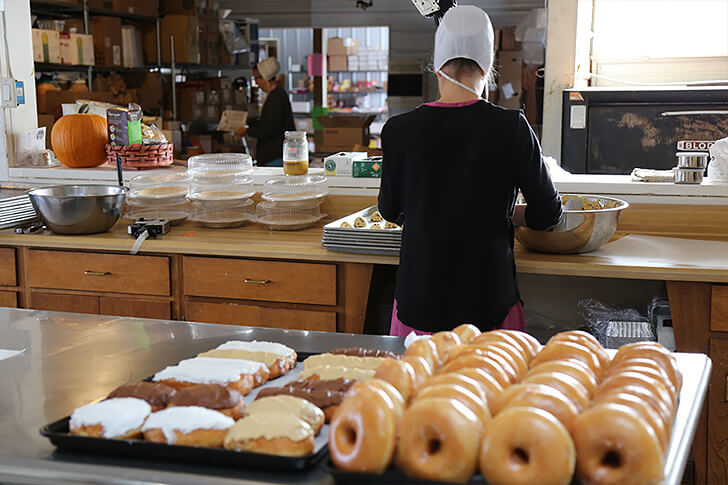
Still picturing Amish life as plows and barns? Think again. While farming is essential, many are also makers and sellers. They bake, build, sew, and craft for a living, turning skills into businesses. You'll find pies, quilts, and furniture built to last. Need construction help? They often take on such work, sometimes even outside their community.
Their work stays low-tech, but the skill is high. They focus on practical trades, learning by doing, and keeping costs down without pricey schooling. The payoff is steady income, little debt, and pride from creating with their own hands.
Thrift Smart, Spend Less

Shopping for them means a quick trip to the nearest thrift store. They love a good deal, especially on clothes. Second-hand finds align with their practical, durable values without breaking the budget. Worn-out items are repurposed into aprons, quilt squares, or doll outfits.
The goal is to stretch every dollar and maximize fabric use. Keeping style affordable reduces waste and avoids unnecessary purchases. This approach shows that a pre-loved wardrobe not only benefits your finances but also supports sustainable living.
Buy in Bulk, Spend a Lot Less
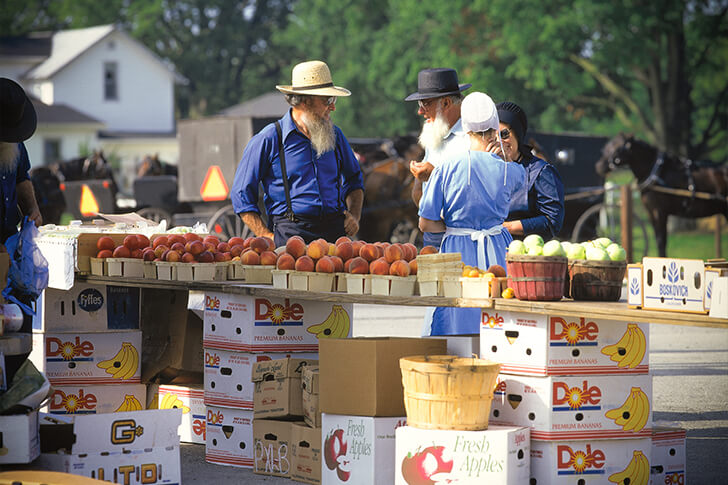
If there’s one group that truly understands how to stretch a grocery dollar, it’s the Amish. They stock up on staples like flour and sugar, keeping shelves full and costs predictable. Buying larger quantities usually drops the price per pound, spending less overall. Since quick store runs aren’t routine, this approach covers basics for weeks. Bulk buys mean less packaging, fewer boxes, and less trash, making their practical style a solid blueprint for saving today.
Amish Romance, No Big Budget Required

The Amish approach to marriage feels refreshing. In their late teens, young adults enter a stage where dating is about compatibility, not flashy showing off. Couples enjoy simple ways to connect, like talking and doing everyday activities. Weddings follow this logic: grounded and meaningful, with community involvement.
Instead of luxury venues and designer gowns, think home-cooked meals, warm gatherings, and personal touches. Avoiding costly extras helps couples start married life focused on commitment and real connection. It’s a reminder you don't need a big budget for a memorable wedding—just meaningful celebration.
Fresh Picks, Straight From the Garden
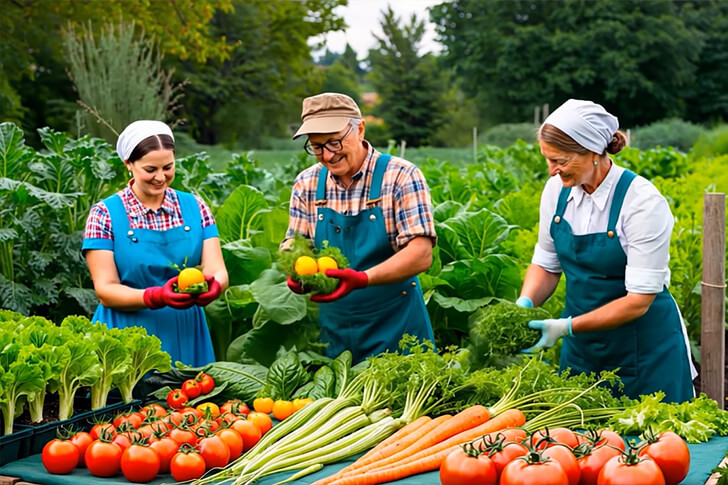
The Amish “health secret” begins in the dirt. Lorilee notes that growing and harvesting your own food means fresher, cleaner produce. Backyard-sourced meals are cost-effective, cutting grocery bills and ensuring you know what’s in each dish. Homegrown produce often contains higher vitamins and minerals, harvested at peak ripeness. Gardening is wholesome and a form of exercise, enhancing physical well-being. The Earth provides, and with effort, you can cultivate a bountiful harvest and a sense of accomplishment.
Saving Cash, One Barn Build at a Time
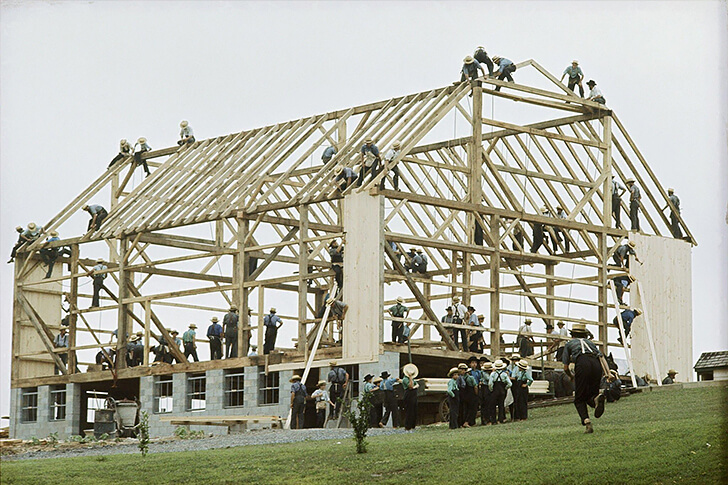
In this community, barn raising is a social event that brings everyone together. When a family, like the actor's, needs a barn, folks gather ready to lend a hand. With basic tools and enthusiasm, no fancy equipment is needed. A spread of food keeps everyone energized throughout the day.
By sunset, a barn stands, showcasing teamwork. Friends, family, and neighbors keep costs low by volunteering time, avoiding labor charges. This approach helps save on expenses and reinforces community bonds, a win-win for everyone involved.
Photographic Memory? They Make It Look Easy

The Amish are known for memory skills that seem almost superhuman. Without modern tech or reminders, they memorize everything from prayers to practical knowledge, relying on daily life for learning. While most use sticky notes and alerts, they train their minds to retain details. Their method conserves resources, saving money by reducing reliance on books and gadgets, enhancing self-sufficiency by embedding skills and routines in people, not screens. This approach highlights a well-trained mind as an invaluable, non-battery-powered tool.
Living Debt-Free, and Actually Enjoying It
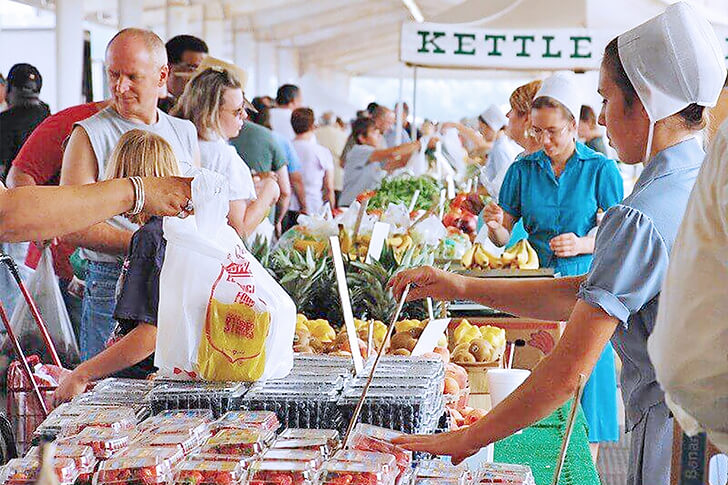
In a world where credit cards are everywhere, the Amish keep it simple by passing on plastic. While American households carry about $6,501 in credit card debt, they sidestep that mess by paying cash and only buying what they can cover. No juggling balances, minimum payments, or surprise interest charges. It’s not flashy, but it works, keeping money decisions clear and grounded in real life.
Their choice keeps finances both interest-free and less stressful, avoiding the “buy now, panic later” trap. By skipping credit cards and sticking to what's affordable, they remind us to save, avoid debt, and enjoy the confidence that comes with real financial breathing room.
How Amish Kitchens Turn Leftovers into Something Great
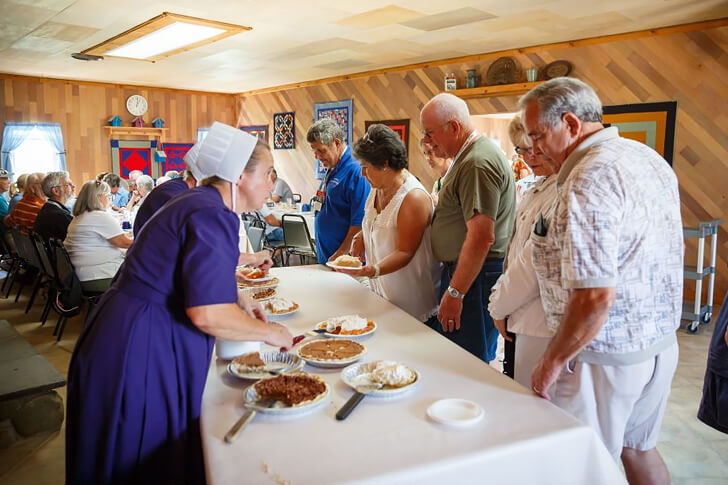
In an Amish kitchen, leftovers are not a sad afterthought. Yesterday's roast becomes a stew, extra vegetables get pickled or stirred into a casserole. Every scrap is used; there’s always another meal that can include them.
It’s not just thriftiness but respect for the work behind each bite. Using what’s available stretches the budget and reduces waste, without deprivation. The key is simple: plan and be creative to turn “almost spoiled” into “delicious,” saving money.
Short on Cash? You’ve Still Got Options
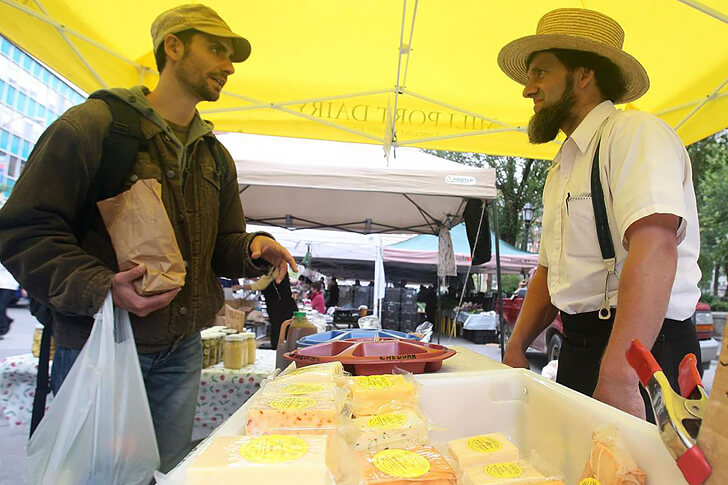
When the Amish need something, they trade instead of using credit cards. Bartering is straightforward and practical. Got extra produce? Swap it for eggs, repairs, or a quilt. “Worth” isn’t just sticker price; it's about time, effort, and goodwill. Both sides should feel respected.
Beyond saving money, it fosters connections. Trading builds trust, boosts local resources, and reduces cash reliance. If stuck in a spend-now, regret-later loop, remember to get creative. Simple swaps trim budgets, reduce waste, and show real value beyond dollars.
Why the Amish Skip the Mustache

In Amish culture, facial hair signifies marital status. Married men grow beards, indicating maturity and readiness for family duties. Mustaches, linked to soldiers and military life, are avoided due to Amish pacifism. This choice reflects their humility, modesty, and peaceful ethos. Their grooming mirrors their beliefs as much as their simple attire. The absence of a mustache underscores their dedication to harmony. By focusing on simplicity and non-conformity, they maintain a distinct identity within modern society. Adhering to these traditions helps the community separate from mainstream influences and stay true to their values. This practice also emphasizes the importance of community over individuality, reinforcing a unified lifestyle.
How Generosity Holds Their Community Together
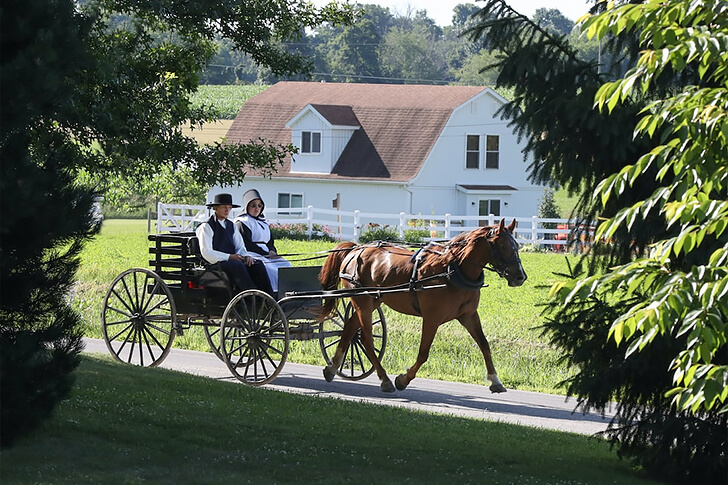
In their world, lending a hand is the default setting. When some Amish families do well, they quietly put money back into the community, offering low-interest loans so a neighbor can buy land, start a business, or endure tough times.
This pay-it-forward mindset keeps the community steady and independent, reducing the need for big banks or outside help. It serves as a reminder that sharing resources can build trust, reduce stress, and enhance financial security.
Amish-Style Toys: Simple, Clever, and Easy on the Wallet
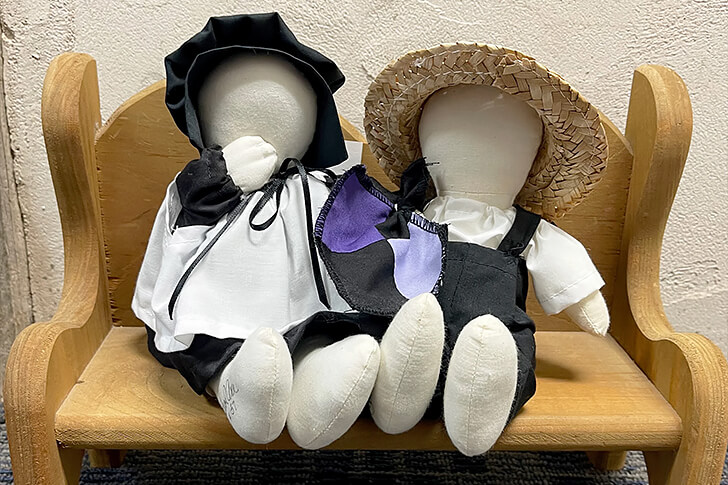
Who says a toy needs to blink, beep, or connect to Wi-Fi to be fun? Amish kids grow up with low-tech playthings built to survive real childhood. Think wooden blocks, pull toys, and faceless dolls. The focus is open-ended play, where kids invent stories and rules. These durable toys often get passed down through generations.
Faceless dolls stand out; they embody values like humility and allow kids to envision any character. Rather than chasing trends, families invest in a few quality pieces, keeping kids engaged for years. It’s a reminder the best toys don’t need batteries or bust your budget.
How the Amish Turn Simple Fun Into the Best Kind of Thrill
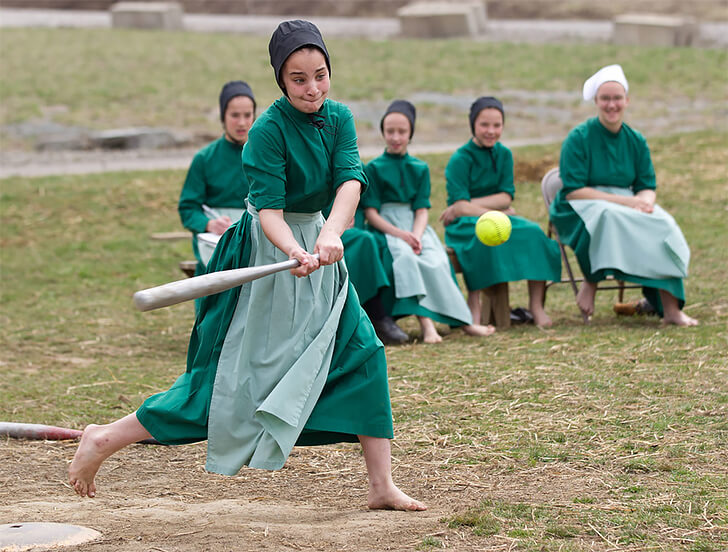
In Amish life, fun is rarely something you buy. No pricey theme parks or gadgets offering “instant entertainment.” Good times are built into everyday life: a softball game, a fishing trip, or a picnic afternoon. Community get-togethers are big, with homemade food, stories, and laughter. It’s low-cost, low-stress, and hard to beat.
Even team sports like volleyball become a community event. It’s not about trophies; it’s about friendly competition, support, and connection. Without tech to rely on, the Amish keep fun people-focused. Fresh air, shared meals, and playful rivalry make lasting memories without a big bill.
Amish Living, No Nine Digits Required (Usually)
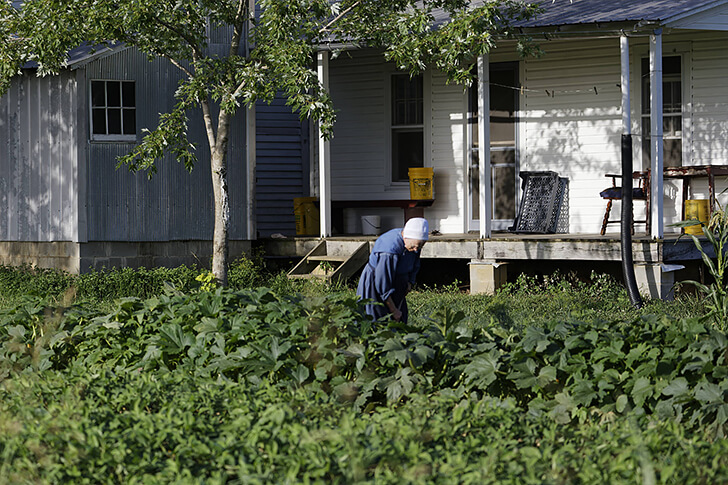
For many Amish families, a Social Security number isn't vital, but it can be useful. Thanks to a religious exemption, most avoid paying Social Security and Medicare taxes. Still, life involves paperwork, and banks or jobs may require those digits. Some get a number for transactions, not to embrace modernity.
By submitting IRS Form 4029, they can opt out of taxes while maintaining a number for occasional use. It's a balance, respecting community values while navigating modern demands. Yes, some Amish individuals possess Social Security numbers, but as a convenience, not a lifestyle shift.
Handing Down Wealth, Not Headaches

Long-term investing and practical spending without drama is basically the Amish playbook. It’s not about shiny stuff; it’s about investing in valuable things. Family farms, small businesses, and skills are key assets. The goal is ensuring each dollar has purpose, building something solid, not wasted on impulse buys. Debt-free living and sensible choices lead to leaving land, tools, and know-how rather than payments. Their “rich” is stability that strengthens community. Spend less today to set up lasting wealth.
Real Wealth, Zero Wall Street Drama
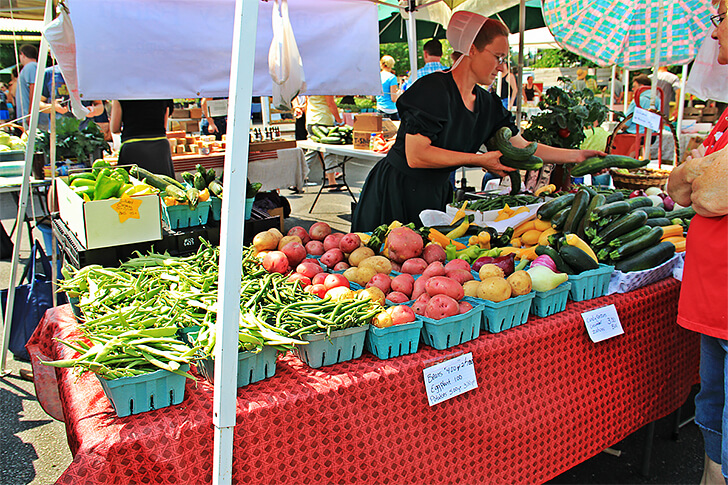
For them, investing sticks to basics—land, small businesses, and tangible assets that hold value. No chasing hot stocks or trying to outsmart the market. They invest in things they can point to, walk on, fix, or live in. By focusing on farmland, homes, and equipment, they avoid the financial markets' volatility.
The payoff is steadier, sustainable wealth that supports the community long term, without Wall Street's rollercoaster. This approach encourages building skills, buying what you understand, and investing in what lasts. If tired of the suit-and-tie stress, adopting this real-asset approach could ensure long-run security.
Amish Gift-Giving: Modest, Meaningful, and Full of Heart
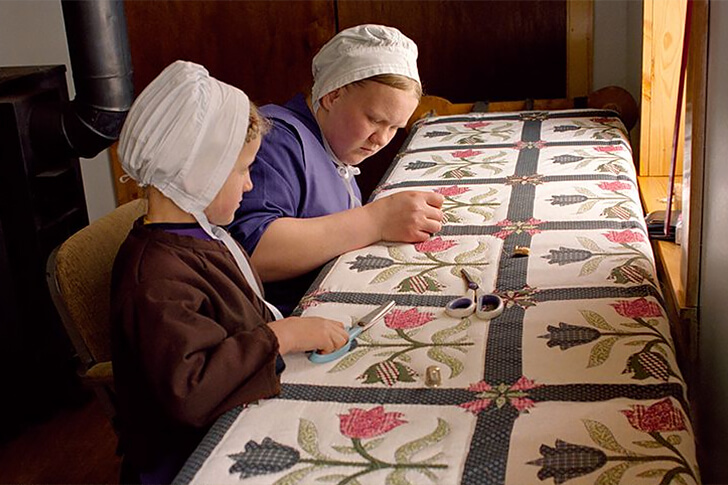
In Amish communities, the best presents come from time, effort, and care, not checkout lines. Flashy items like diamond jewelry or the newest tech aren't the focus. Gifts tend to be practical, personal, and often handmade, like hand-sewn clothing, sturdy quilts, or jars of homemade jam. The aim is for gifts that get used, not forgotten in a drawer.
This mindset makes gift-giving about sharing, not spending, and keeps budgets sensible without feeling cheap. By valuing usefulness and craftsmanship, they show that a great gift needs intention, creativity, and heart, not a price tag.
There’s a Reason the Paycheck Gets Shared
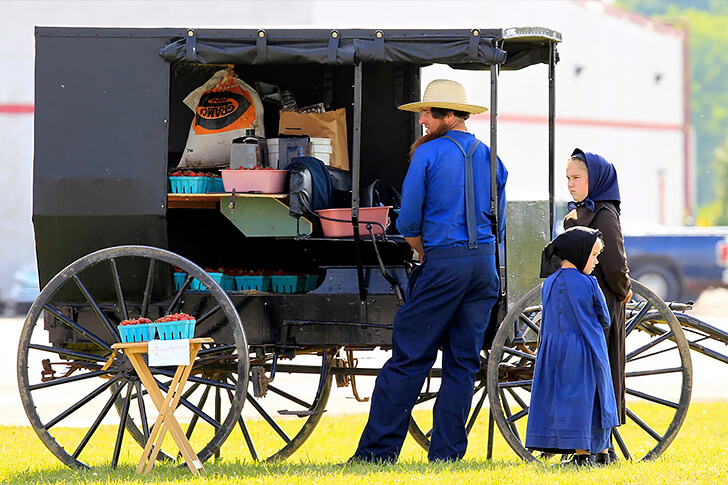
In many families, everyone contributes, even the teenagers. A summer job isn’t just a shopping fund; it's a way to support the household. Teens often give parents up to 80% of earnings. This common practice builds responsibility and considers the bigger picture.
Parents often save some of the money to help their kids later with expenses like a first home or business. It’s practical and wise. Pooling resources and planning ahead can change what’s possible and encourages saving over spending immediately.
Amish Homes Keep Chores In the Family

In Amish households, chores are integral, with everyone from grandparents to kids pitching in. Jobs assigned by age and ability ensure fairness. It's not about perfection but keeping everything moving smoothly under a supportive model that promotes unity.
This system relies on voluntary cooperation, eliminating the need for cleaning services, reducing costs, and transforming housework into a shared activity that strengthens family bonds. The youngest members learn essential life skills early on, under the guidance of their elders. Meanwhile, the older family members enrich these interactions with stories of the past, teaching traditions and fostering a sense of pride and accomplishment. Within this harmonious environment, each family member contributes to a valued setting, where they find personal fulfillment and shared joy in their efforts.
Silence, No Pings Allowed
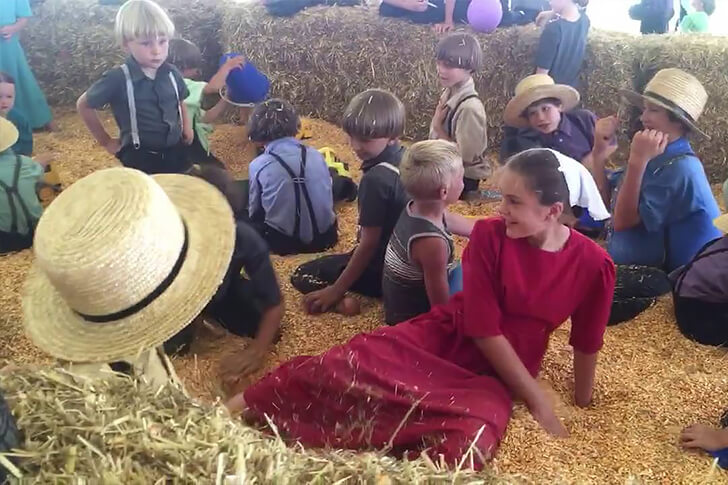
Many of us live glued to screens, but the Amish take a different approach, avoiding mobile devices to stay present with family and community. While a simple phone might be allowed for business or emergencies, there's no doomscrolling or app downloads. Lorilee Craker emphasizes that this practice fosters relationships and practical duties over digital distractions. This lifestyle is not only calmer but cheaper, avoiding costly devices, data plans, and upgrades, reminding us that true connection needs no signal.
A Practical Plan for Bouncing Back From Debt

When expenses outpace income, they reach for work, not loans. They pick up extra hours and turn skills into money through crafting, farming, baking, or odd jobs. It's gritty but effective. The aim is to stay in control and push finances back to black. Each task pays down debt, avoiding interest and balance juggling. This approach, valuing balance over quick fixes, accelerates recovery. Sweat equity and know-how can safeguard finances as effectively as a big paycheck.
How Amish Small Businesses Keep Beating the Odds
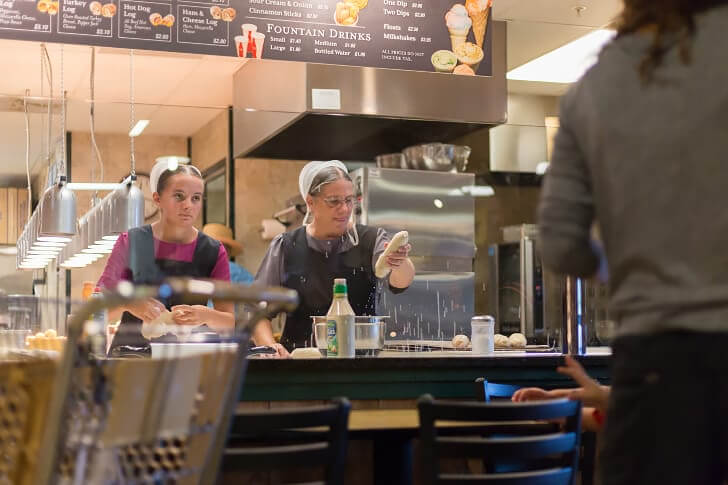
More than 90% of these ventures thrive after five years, boasting a remarkable success rate. Their secret doesn’t involve a shiny app but excelling at the basics: creating sturdy furniture, crafting incredible baked goods, and benefiting from a supportive community. They minimize overhead by using simple tools and family help, focusing on steady and sustainable growth. Marketing efforts primarily rely on word of mouth, as their reliable product quality naturally fosters customer loyalty. It’s a testament to doing things right rather than quickly. These entrepreneurs prove that patience and dedication to craftsmanship can truly set a business apart in today’s fast-paced world.
To Them, We’re All “English”
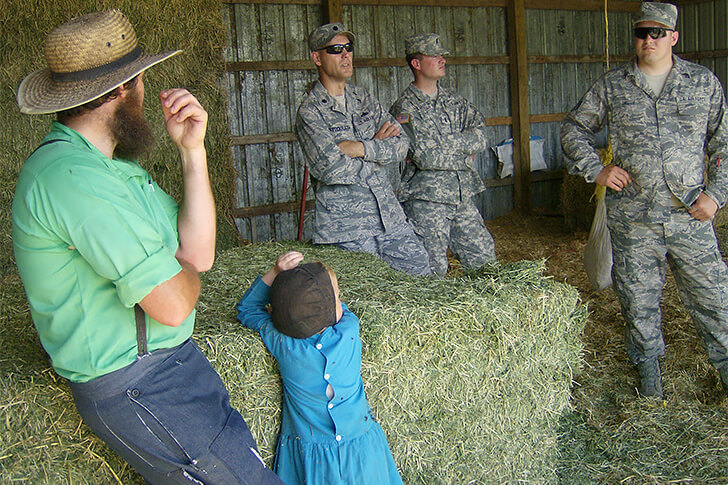
In their world, nearly anyone outside the community is called “English.” It stems from colonial days when language sorted people into groups. The Amish are warm to those respecting their ways. Expect reserved, polite smiles and answers to kindly asked questions. Families welcome respectful visitors, especially at shops and markets. They coexist well with “the English,” as long as boundaries are respected.
This term broadly covers almost anyone from mainstream society. It depicts a simple line between two distinct cultures, not as an insult but as a practical description. They appreciate learning about the modern world, so long it doesn't interfere with traditions. Many find these communities trade friendly conversations and share smiles, maintaining mutual respect.