
Ann-Margret, Born 1941

When Ann-Margret burst onto the scene in the early 1960s, it felt like musical movies suddenly got brighter, bolder, and a whole lot more fun. In 1963, she lit up “Bye Bye Birdie,” bringing the kind of lively, can’t-look-away energy that basically stamped the era with her name. Then “Viva Las Vegas” cranked things up again, pairing her with Elvis Presley and delivering the kind of on-screen chemistry people still talk about.
She also proved she had serious range, surprising plenty of critics when “Carnal Knowledge” landed her an Academy Award nomination for its fearless emotional edge. In the 1970s, her concert tours pulled in sold-out crowds who came for the voice and stayed for the take-charge stage presence. Along the way, she picked up major recognition, including the SAG Life Achievement Award, a nod to a career with real staying power. She even brought a new kind of fire to “Law & Order: SVU” in 2010.
Dick Van Dyke, Born 1925

Dick Van Dyke has spent decades making people feel a little lighter, thanks to his easy charm, spot on timing, and that musical, mischievous spark he brought to everything. He really took off with “The Dick Van Dyke Show” in 1961, helping define what a great sitcom could be with smart jokes and genuinely warm chemistry. Then came “Mary Poppins” in 1964, where he added high-energy dancing and a dose of pure, unforgettable whimsy.
In 1965, he earned a Grammy Award tied to the film’s soundtrack, which had families all over the country humming along. Audiences also loved how hard he worked onstage, especially during national tours where he never seemed to run out of steam. In 1974, Dick was honored with a Special Tony Award for the mark he made on theater. And in 2018, “Mary Poppins Returns” brought him back for a playful encore, reminding everyone why his feel-good legacy still hits home.
Eva Marie Saint, Born 1924

Eva Marie Saint built her legacy with a kind of quiet authority, but people definitely noticed when she broke through in Hollywood’s golden age. In 1954, she lit up “On the Waterfront” with a performance that hit hard emotionally, and it earned her the Academy Award for Best Supporting Actress.
Alfred Hitchcock pushed her even further into the spotlight with “North by Northwest,” where she mixed razor-sharp timing with effortless, stylish mystery. On set, crews loved how steady and composed she stayed, even when the scenes got intense. In 1990, she picked up a Primetime Emmy Award that put a big, well-deserved stamp on her dramatic talent. And years later, in 2012, she popped up in animation too, voicing Katara in Nickelodeon’s “The Legend of Korra.”
Linda Evans, Born 1942

Anyone who watched Linda Evans break through in TV’s glossy heyday remembers the kind of magnetic confidence that basically owned prime time. She first grabbed major attention in 1965 on “The Big Valley,” bringing a steady, strong presence that made the big dramatic beats land. Then “Dynasty” turned the volume way up, launching her into full-on pop culture territory as Krystle Carrington, all polished grace with a spark underneath.
The awards followed, including Golden Globe wins that showed just how much audiences loved that performance. Long before the spotlight got that bright, she was building her craft in drama classes at Hollywood High School, which helped her stay grounded when the sets got intense. In the 1980s, she leaned hard into health and fitness, and fans happily came along for the ride. Her marriage to John Derek also pulled her deeper into creative circles, shaping how she saw the business and her place in it for years.
Clint Eastwood, Born 1930

Clint Eastwood’s climb started feeling inevitable once “Rawhide” made him the face of TV adventure in 1959. He rolled that same momentum straight into Sergio Leone’s westerns, where his cool, watchful stillness and barely contained menace basically rewrote what “tough” looked like on screen. Then “Dirty Harry” hit, and suddenly gritty cop stories weren’t just entertainment, they were cultural electricity.
The trophies followed in 1992, when “Unforgiven” landed him Oscars for Best Director and Best Picture. He pulled off the same double win again in 2004 with “Million Dollar Baby.” Away from the spotlight, music was part of his quieter side, with Eastwood composing several film themes in the 1990s. And yes, he even took a swing at politics, in 1986 Carmel voters elected him mayor after a lively, headline friendly campaign.
Bo Derek, Born 1956

If Bo Derek left a permanent mark on pop culture, you can pretty much trace it back to “10” in 1979. People got an immediate jolt, and that beach running moment quickly locked itself in as one of those classic movie images everyone remembers. Then in 1981, “Tarzan, the Ape Man” pushed her even further into the spotlight, right into the middle of some seriously adventurous publicity whirlwinds.
In the early 1980s, her ties to modeling only got stronger, with fashion photographers leaning into bolder looks built around her image. Her interest in horses and ranch life also started shaping her everyday routine, and those years brought a surprising amount of structure and discipline. By 2000, Bo was also digging into the business side of things, launching a pet care brand that matched her longtime love of animals.
Kim Novak, Born 1933

Kim Novak showed up in mid-century movies with a kind of calm that somehow stole the whole room. There was nothing loud about it, just this instant pull you could not ignore. She really caught fire with “Picnic,” where that quiet intensity turned into a fresh kind of movie-star charm. Then “Vertigo” took things to another level, letting her play a haunting double edge that Alfred Hitchcock put to unforgettable use.
Her love of art started earlier, back in her Chicago days, and it shaped how she handled big dramatic beats on screen. Behind the scenes, studio life could be brutal, with long hours and constant pressure, and it built the toughness people still talk about. In 1957, she picked up a Golden Globe, a clear sign that her impact was already landing. Later on, in 1980, she shifted more toward painting, finding a quieter, more personal escape away from all the Hollywood noise.
Terry Moore, Born 1929
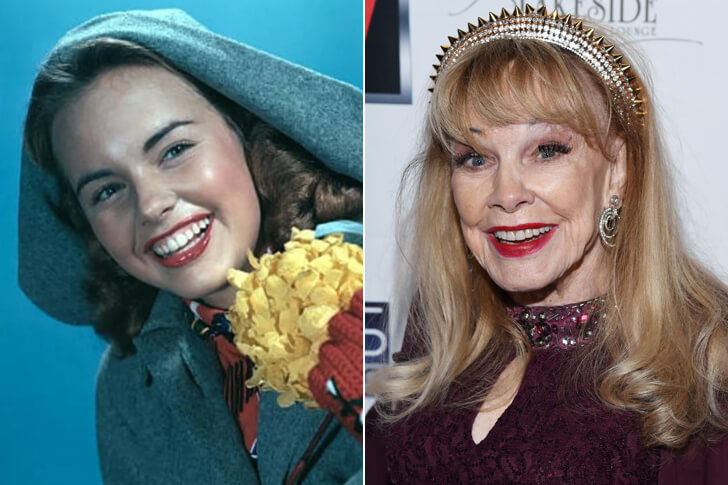
Terry Moore was never the type to fade into the background of Hollywood’s studio years. She hit her stride in an era that loved big, bold screen presences, and she knew how to hold her own. In 1949, she broke through in “Come to the Stable,” a performance that landed her an Academy Award nomination. Audiences also latched onto her warmth and snap in “Mighty Joe Young,” a movie that somehow balanced pulpy adventure with a surprisingly tender heart.
Her ambitions started early, shaped by childhood work on the stage, which gave her a calm, steady confidence. In the 1950s, she also caught the flying bug and trained for a pilot’s license. Later, her marriage to Howard Hughes became its own long-running source of intrigue, especially when the story bubbled back up in 1980 and the public’s curiosity kicked into high gear again.
David Attenborough, Born 1926
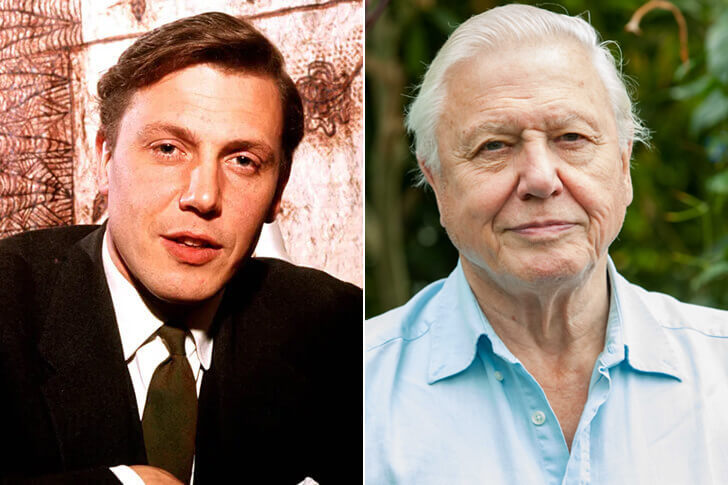
We’ve spent decades watching David Attenborough turn the natural world into pure wonder, with big, sweeping wildlife adventures that basically reinvented how nature stories get told. He’s led us from frozen oceans to steamy rainforests in the iconic series “Planet Earth.” It didn’t just look incredible, it helped push conservation into the global conversation and picked up multiple Emmy Awards for its jaw dropping ambition. And long before that, he’d already struck gold with “Life on Earth” back in 1979.
That series brought science and discovery to living rooms everywhere, without ever talking down to anyone. The BAFTAs piled up after that, a steady stream of applause for a career powered by curiosity. Of course, getting those shots often meant heading deep into the middle of nowhere, where the weather and the logistics loved to misbehave. Crew members still tell stories about sudden storms and last minute fixes that kept the cameras rolling. In 2020, the feature documentary “David Attenborough: A Life on Our Planet” pulled it all together, a lifetime of exploration paired with a clear, urgent warning about where we’re headed.
Tippi Hedren – Born in 1930
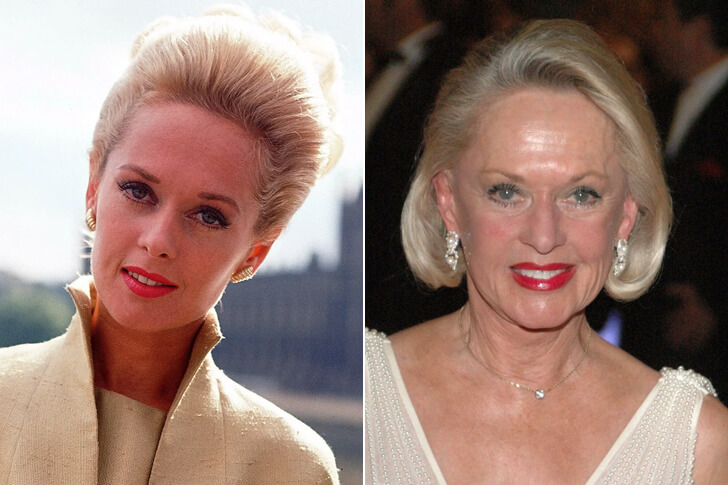
When Tippi Hedren hit the big screen in “The Birds” in 1963, it felt like something snapped into place. She anchored the chaos with this cool, steady confidence while Alfred Hitchcock cranked suspense up to a whole new level. Not long after, she jumped into “Marnie,” bringing a darker, more psychological edge that kept people leaning in. The shoots were famously punishing too, with long days and unpredictable moments built around complicated setups that demanded real toughness.
Her breakout didn’t go unnoticed, she took home a Golden Globe for New Star of the Year. And her story didn’t stop at Hollywood: in 1983, she poured her energy into animal advocacy by founding the Shambala Preserve, a sanctuary for rescued big cats. Then in 2006, she popped up in “Fashion House” with the same effortless style, reminding longtime fans why she mattered and introducing her presence to a whole new crowd.
John Astin, Born 1930
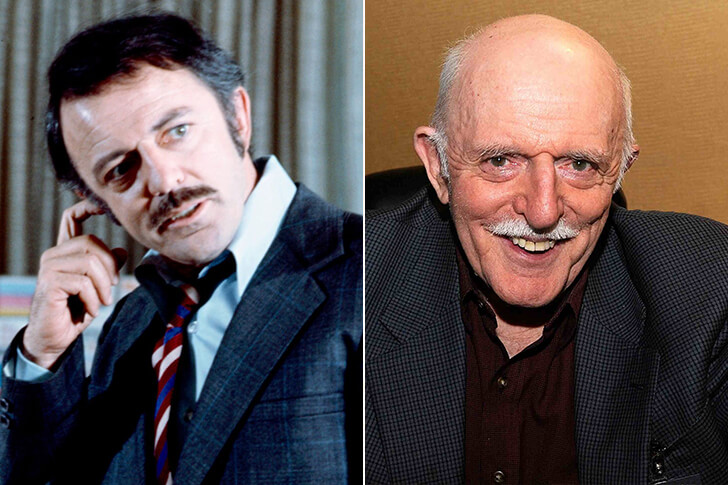
You first saw John Astin light up TV in 1964 as Gomez Addams on “The Addams Family,” tossing out razor-sharp jokes with pitch-perfect timing. That fearless comedic rhythm helped the show catch fire in its heyday. He brought that same spark to the big screen too, including a fun turn in “Freaky Friday” in 1976, where he added a little extra bounce to every moment.
He also stretched his chops onstage in 1971 with a one-man “Edgar Allan Poe” show that genuinely wowed audiences. Years later, his love of directing took a more hands-on shape, and in 1998 he was guiding students at Johns Hopkins with a steady, no-nonsense focus. Fans have also enjoyed his unmistakable voice in voiceover work, including “Justice League Action.” And in 1967, he even popped up as the Riddler on “Batman” during a short but memorable storyline detour.
Brigitte Bardot, Born 1934
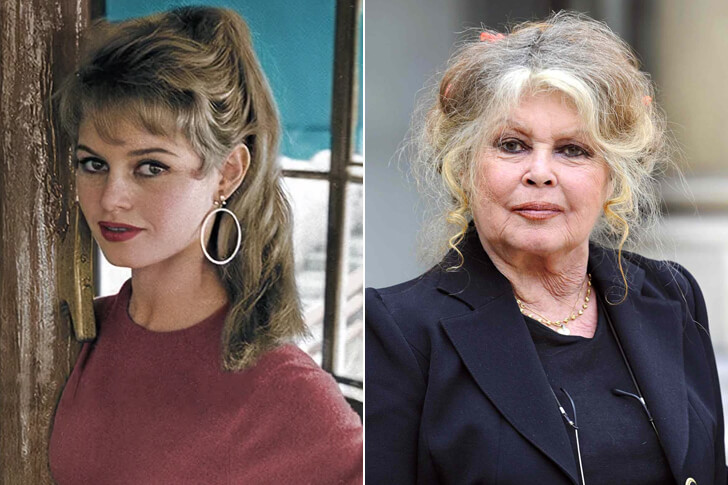
For most film lovers, Brigitte Bardot truly burst onto the world stage when “And God Created Woman” hit screens in 1956. She helped reshape French cinema with the fearless edge she brought to “La Vérité,” and critics everywhere took notice. Then came “Contempt,” where her easy, magnetic presence kept audiences hooked and pushed European film into bigger conversations. And of course, her style only made her reach even bigger.
Her look set off trend after trend across Europe throughout the 1960s. A major nod arrived in 1985, when France awarded Brigitte the Legion of Honor for her artistic contributions. In 1973, she made a huge pivot, stepping away from acting to focus on animal welfare work on an international scale. A biographical exhibition in Paris in 2017 put the spotlight back on her lasting cultural influence, introducing her to a whole new wave of fans.
Mel Brooks, Born in 1926
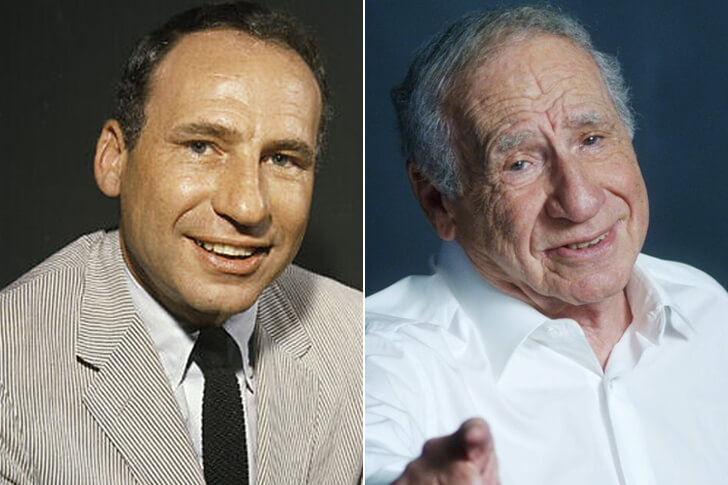
Did Mel Brooks basically reboot modern comedy when “The Producers” landed in theaters in 1967 and brought gleeful irreverence to the mainstream? You could make a strong case. He kept that streak rolling with “Blazing Saddles,” gleefully smashing boundaries with bold satire that audiences couldn’t get enough of. Then in 1974, fans got another instant classic when “Young Frankenstein” mixed sharp parody with pitch perfect performances you still quote without thinking.
The accolades started piling up in 1968, when he took home the Academy Award for Best Original Screenplay, a nice official stamp on his fearless sense of humor. He also brought that same creative spark to TV in 1965 with the hit series “Get Smart,” co-created with razor sharp wit. Theater lovers cheered his big musical swing in 2001, when “The Producers” took over Broadway. And even decades later, he was still having fun, voicing the Shogun in “Paws of Fury” in 2022.
Terry Kilburn, Born 1926
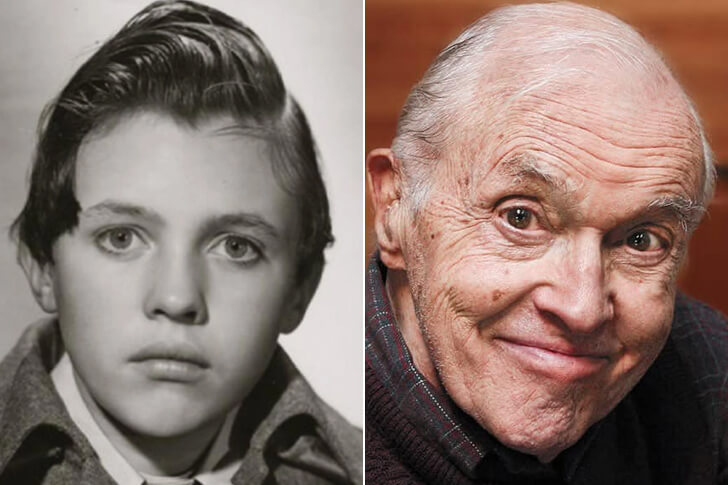
If you’ve spent any time with classic movies, you probably remember Terry Kilburn winning people over in the late 1930s. He melted hearts in 1938 with “A Christmas Carol,” bringing a soft, sweet glow to Tiny Tim. Then in 1939, “Goodbye, Mr. Chips” reminded everyone he wasn’t a one note wonder, he slid convincingly through different ages like it was no big deal.
Before long, his work stretched across multiple studios, with directors appreciating his sharp, expressive timing even on tough, high pressure sets. At the same time, the stage started calling louder, especially once he joined the Meadow Brook Theatre ensemble in Michigan. In 1977, Terry stepped into the spotlight in a new way as the theater’s artistic director, steering bold, big hearted productions. His story there came full circle in 1994, when his final Meadow Brook season felt like a graceful, thoughtful goodbye.
William Shatner, Born 1931
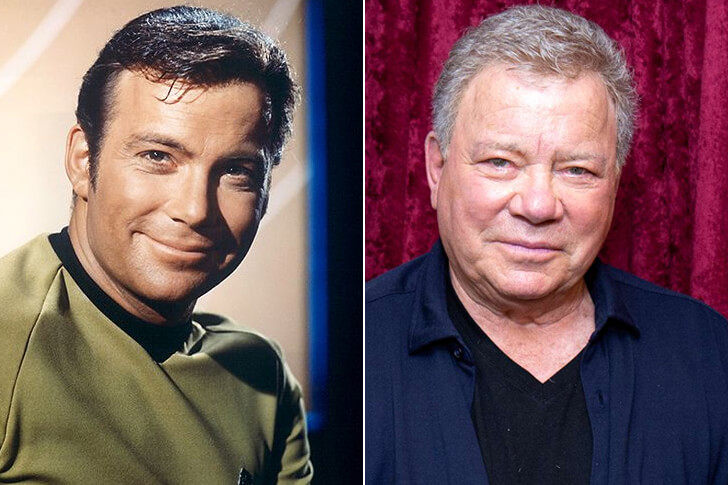
After a string of early auditions, William Shatner slowly built the kind of momentum that would land him squarely in TV history, right in the high-energy swirl of the 1960s. Then came “Star Trek,” where he brought a bold, commanding spark to Captain Kirk and helped reshape what science fiction could look like on screen. The big-screen thrill kicked back into gear in 1979 when “Star Trek: The Motion Picture” revived the franchise with grand, cinematic ambition.
His creative restlessness showed up again in 1989, when “Star Trek V” put him in the director’s chair. He also took a left turn into music in 1968 with the spoken-word album “The Transformed Man,” which went on to earn a loyal cult following. As a writer, he reached a whole new audience with TekWar, a punchy futuristic world of his own making. And in 2021, he added a real-life chapter of adventure by heading to space on Blue Origin’s suborbital flight.
Morgan Freeman, Born 1937
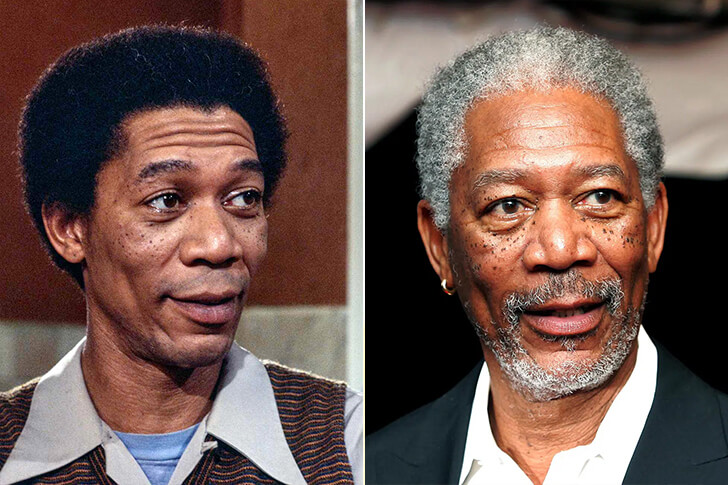
From the moment Morgan Freeman started turning up on screen, people couldn’t help but notice the calm force he brings to every role. He made a real mark with standout work in “Street Smart” and “Glory,” where that steady, unmistakable authority is there in every scene. Then came “The Shawshank Redemption,” and audiences fell hard for his grounded, human presence in what would go on to become a modern classic.
A major career high point landed in 2005, when “Million Dollar Baby” won him the Academy Award for Best Supporting Actor. Long before the trophies, he was already sharpening his craft through school theater, building the discipline that’s become his trademark. And in 2002, he leaned into another longtime fascination, aviation, earning his pilot’s license and taking to the skies regularly in the years that followed.
Jaclyn Smith, Born 1945
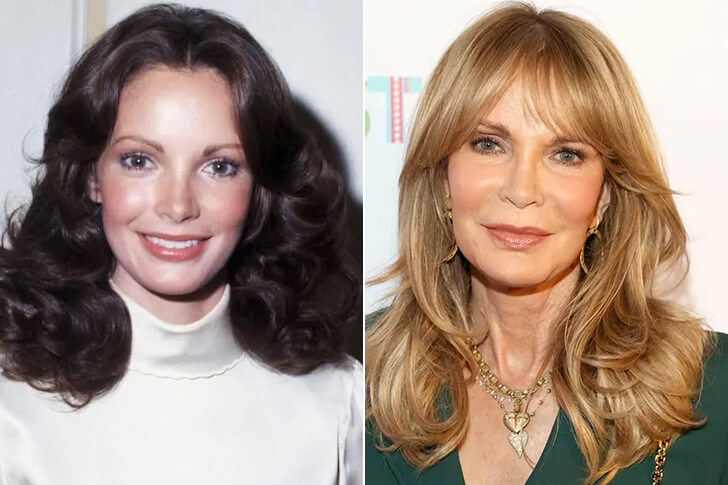
When Jaclyn Smith broke through in TV’s flashiest, most fearless years, she carried this cool, put together confidence that made her early wins feel inevitable. She hit the national spotlight in 1976, when “Charlie’s Angels” showed off her effortless mix of action, style, and star power. She kept that streak going with “Nightkill,” which pushed her into moodier, darker material and demanded a tighter dramatic edge.
Then came a real pivot, the Jaclyn Smith Collection, which changed the game for how celebrities thought about building fashion brands. Long before the bright lights and constant cameras, she’d built her foundation in drama classes back in Texas. In 1981, a Golden Globe nomination recognized her performance in “Jacqueline Bouvier Kennedy.” And in 1997, her marriage to Brad Allen marked a calmer chapter, with a steady partnership at the center of her home life.
Max Baer Jr., Born 1937
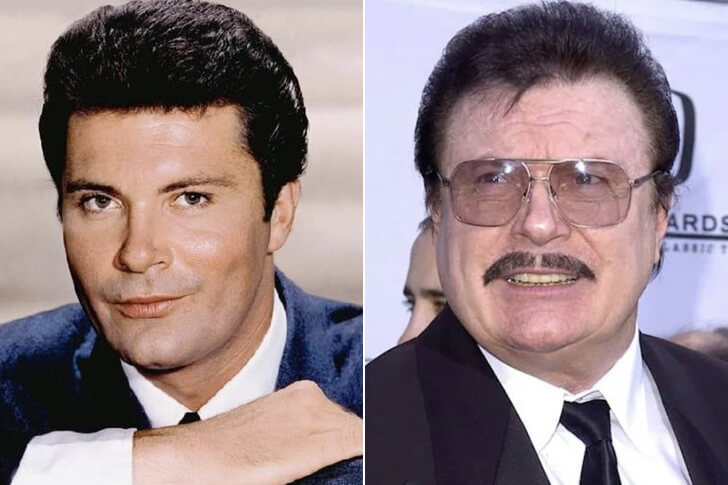
Max Baer Jr. didn’t just stroll into TV history, he bounced in with sharp timing and that wide-eyed, lovable energy that fit the early 1960s like a glove. In 1962, he hit it big on “The Beverly Hillbillies,” turning Jethro Bodine’s sincere, can-do enthusiasm into a steady stream of classic sitcom moments. He also branched out into film with “Ode to Billy Joe,” a move that highlighted his knack for producing and his instincts behind the scenes.
His time at Santa Clara University helped him build the confidence he’d need once the studio doors started opening. A love of sports ran in the family too, especially with his roots tied to boxing great Max Baer Sr. By 1999, he was pushing into business, developing Beverly Hillbillies-inspired gaming projects. In later years, he leaned more into entrepreneurial ideas, staying busy and creatively plugged in well beyond his acting work.
Sam Elliott, Born 1944
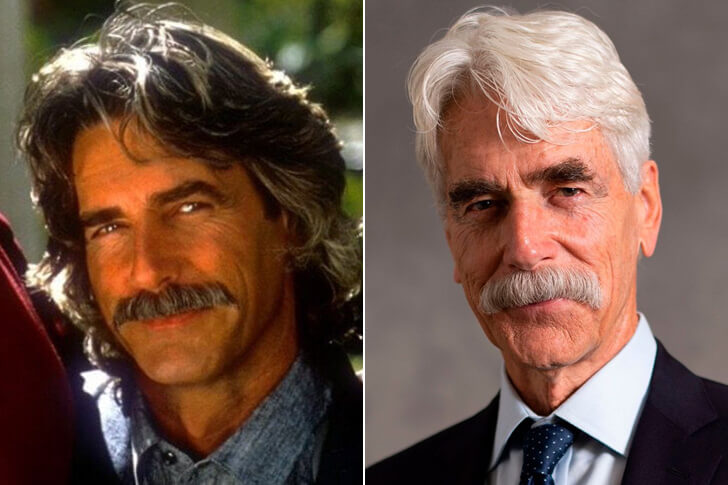
A lot of folks like to point to “Butch Cassidy and the Sundance Kid” as the moment Sam Elliott showed up on the map in 1969. The catch is, his role was so small you could blink and miss it unless you were specifically hunting for him. He kept at it, though, and leaned harder into that rugged lane with “Lifeguard,” a movie that helped his calm, steady vibe land with more people.
That Western energy only picked up speed in “Road House,” where that famous gravelly voice somehow still managed to feel warm and human. His interest in acting actually kicked off earlier, back in his college theater days in Oregon, where he started honing the way he worked. He later earned an Academy Award nomination for “A Star Is Born.” Then in 2017, he added another dimension, digging into deeper vocal training that tightened up his narration style, and audiences knew exactly who they were listening to.
Susan Dey, Born 1952
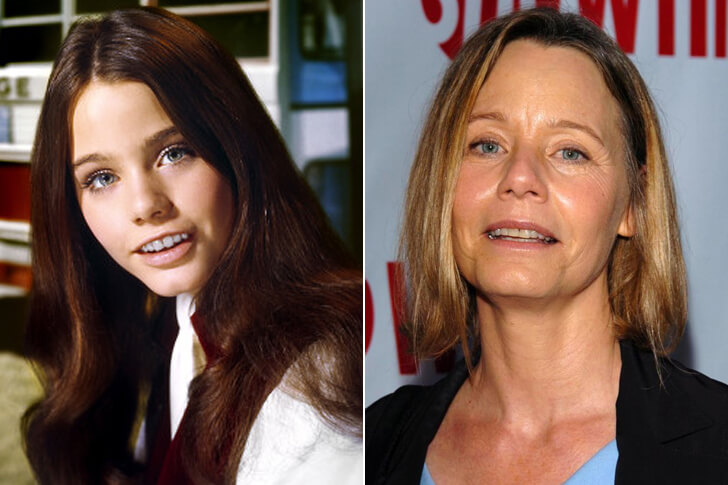
When Susan Dey hit television in the early 1970s, people immediately picked up on her bright, new energy. She helped push TV into a lighter, feel good groove with “The Partridge Family,” and it did not take long for audiences to latch on. Then “Mary Jane Harper Cried Last Night” showed she could go deeper, delivering the kind of emotional work that made viewers sit up and pay attention. Those tougher roles called for real precision, especially in scenes where every beat mattered.
Her early modeling experience from her school days gave her a head start on handling the pressure that comes with sudden fame. In 1988, she earned Golden Globe recognition for “L.A. Law,” a clear sign she had made a serious leap into dramatic territory. She also followed her writing side, and in 2004 she coauthored a wellness focused book that took her in a new direction. And her time on the SAG board in 1985 spoke to something bigger than roles, she cared about making the business fairer, too.
Al Pacino, Born 1940
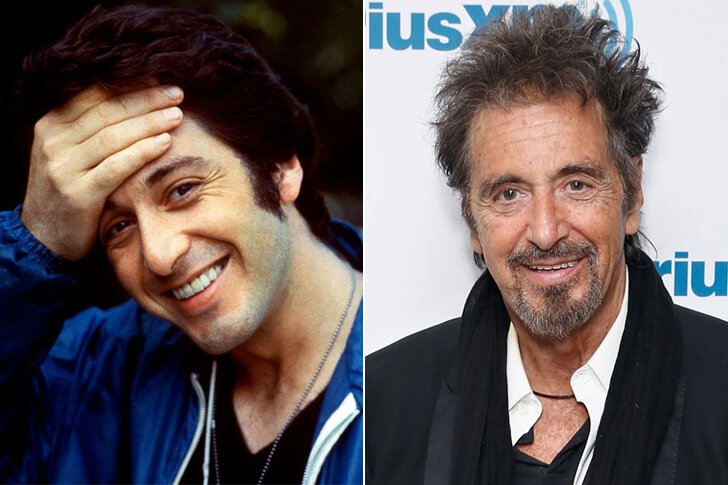
When Al Pacino hit the big screen in 1972 with “The Godfather,” it felt like a jolt to the system, suddenly crime dramas had a new kind of heat. He cranked that intensity up again in “Serpico,” going after corruption with a hard, focused edge. Then came “Dog Day Afternoon,” where he leaned into chaos and made it unforgettable. The trophies eventually caught up in 1993, when “Scent of a Woman” finally landed him an Academy Award.
Before all that, he put in the work at HB Studio, where the training helped sharpen what he could already do. Even with Hollywood calling, the stage never stopped mattering, and his 1983 revival of “American Buffalo” proved it. His interest in the classics showed up in a documentary centered on Shakespeare’s “Richard III.” And in a very different lane, creative differences kept him from lending his voice to a character in “Despicable Me.”
Meredith Baxter, Born 1947
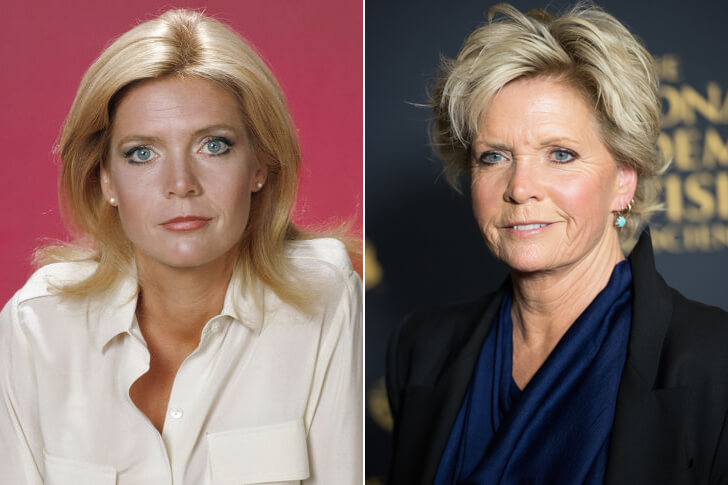
From the moment Meredith Baxter started popping up on TV in the mid-1970s, people noticed the calm, lived-in vibe she brought to the screen. She picked up early steam with “Family,” a drama that made the small, quiet feelings hit harder than you expected. Then “Family Ties” came along and suddenly that familiar dinner-table chaos became a weekly habit for millions.
The days on set could run forever, but she never looked like she was pushing it, she just moved smoothly between comedy and conflict like it was second nature. In 1992, she surprised a lot of folks when an Emmy nomination spotlighted her stronger dramatic side. Later on, she found a more personal escape in painting, a calm little corner of life far from the noise of production.
Lee Majors, Born 1939
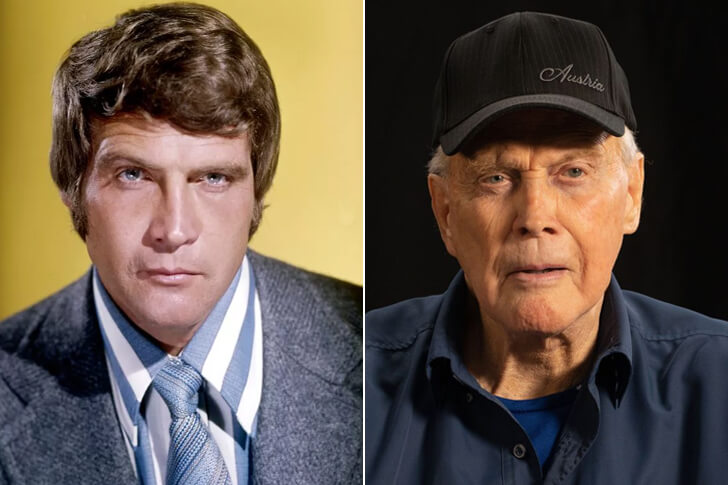
When Lee Majors hit primetime in the late 1960s, you could tell right away he had that easy, camera-friendly swagger. He really turned heads on “The Big Valley,” bringing a rugged confidence that carried every scene. Then in 1973, “The Six Million Dollar Man” made him the face of high-stakes adventure, and suddenly kids everywhere were recreating the action in their backyards.
His days on set were no joke, with tough stunts that took real planning and precision. Around that time, he also started getting more interested in design, doodling prop ideas whenever he had a quiet moment. In 1983, Golden Globe voters took notice, recognizing his reliable, steady screen presence. And that old college sports injury, the one that changed everything early on, rerouted him from athletics and opened the door to acting in a way he probably never saw coming.
Ali MacGraw, Born 1939
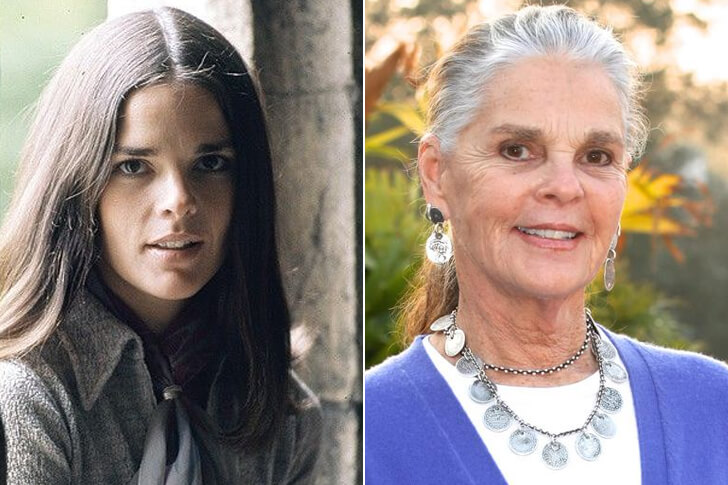
Just about anyone who watched American films in the early 1970s remembers Ali MacGraw showing up with this easy, fresh kind of magic. It really started turning in 1969 with “Goodbye, Columbus,” where she landed with sharp wit and a calm intensity that surprised people. Then 1970 hit, and “Love Story” didn’t just do well, it turned into a worldwide obsession.
That wave carried her all the way to an Academy Award nomination. The vibe shifted again when “The Getaway” pulled her into rougher, more hard-edged territory, right alongside big action sequences. And you could still see those Vogue years in the way she moved and held the frame. Later, her life swerved in a different direction as spirituality, mindfulness, and meditation started setting the pace for her everyday routine.
Patrick Duffy, Born 1949
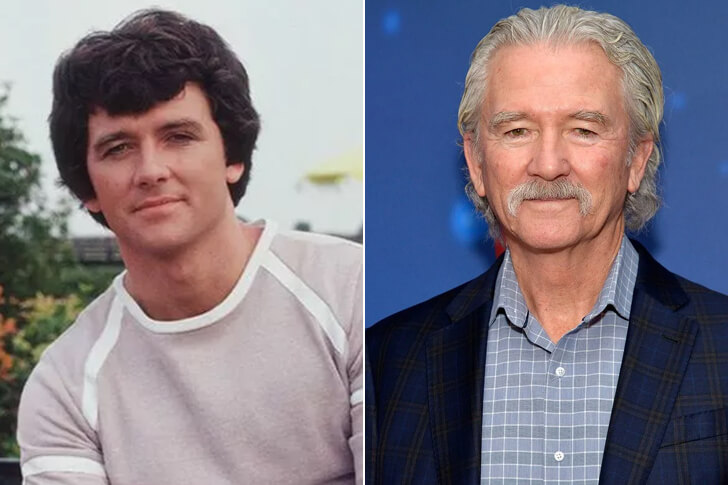
Plenty of people still remember the moment Patrick Duffy popped up on TV in 1977, when “Man from Atlantis” swam onto the scene with its quirky appeal. Then 1978 rolled around and “Dallas” changed the game, turning Bobby Ewing into the calm, reliable center of primetime chaos. The job meant flipping emotions on a dime, which is exactly what kept the plot twists coming.
All that movement training from earlier stage work came in handy when long shoots got physically demanding. When he wasn’t on set, he’d unwind by leaning into a growing interest in architecture, sketching out house ideas just to relax. Broadway also became part of the story when Patrick joined “The Subject Was Roses.” Later on, he found a different kind of peace running the family ranch, a steady routine that kept him grounded year after year.
Dolores Hart, Born 1938
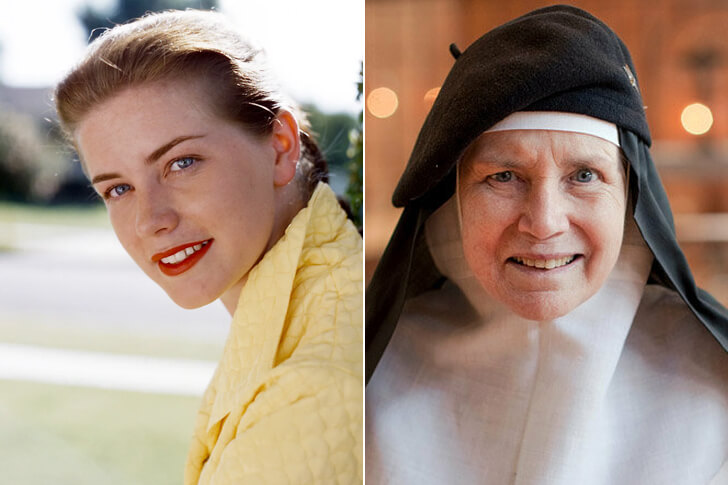
Dolores Hart made a real splash in early 1960s Hollywood, and it is easy to see why. In “Loving You,” she clicked with Elvis Presley like it was the most natural thing in the world. Then “Francis of Assisi” showed a different side of her, all quiet honesty and steady presence, the kind that pulls you in without trying too hard. Just as her career was taking off, she did the last thing anyone expected and stepped away from the movie business.
Instead, she headed to the Abbey of Regina Laudis, looking for answers and a clearer sense of direction. She already had serious stage chops too, thanks to her Broadway run in “The Pleasure of His Company,” which helped polish her timing and confidence. That work even earned her a Tony Award nomination in 1959, a pretty strong signal of what she could become. In later years, she turned toward writing, including a 2013 memoir that brought her story back into the spotlight and, for a lot of people, made them see her in a whole new, surprisingly warm way.
George Hamilton, Born 1939
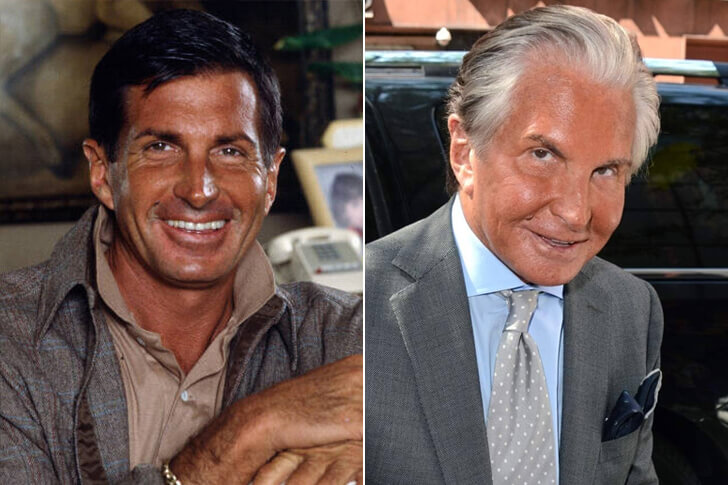
For George Hamilton, showing up in late 1950s Hollywood meant walking straight into serious drama with a smooth, polished vibe that people noticed fast. You can feel that momentum in “Where the Boys Are,” which dropped him right into a youth-fueled cultural moment. Then “Your Cheatin’ Heart” brought even more attention, giving him room to step into a biographical role and play it with calm confidence.
Winning the 1960 Golden Globe for Most Promising Newcomer basically stamped the early hype as real. Off screen, his social life and his career had a habit of blending together, especially during those high-profile moments that only added to his appeal. In 2011, a somewhat unexpected turn in a touring production of “La Cage aux Folles” showed off a lively, refreshed stage presence. Later on, George also found a groove running cigar lines that matched his own style and tastes.
Connie Stevens, Born 1938
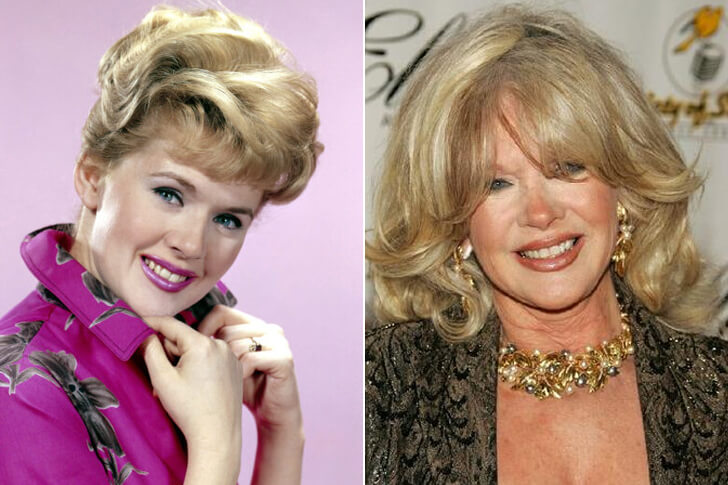
By the late 1950s, Connie Stevens was taking off in a way you could practically see in real time. Landing a starring spot on “Hawaiian Eye” made her a suddenly in demand young talent, bouncing between recording sessions, scripts, and the kind of instant fame that doesn’t exactly come with an instruction manual. Then in 1960, music pushed her even further when “Sixteen Reasons” hit the charts and caught a lot of industry folks off guard.
Movie parts rolled in through the early 1960s, and she brought a fun, easy energy to the teen comedies audiences couldn’t get enough of. Thanks to early vocal training with a family group, she was ready for the pace and pressure of studio life. Connie also stepped behind the camera to direct “Saving Grace,” showing she had more than one creative gear. Later on, she turned her own trial and error into a thriving cosmetics line built around what actually worked for her.
Jack Nicholson, Born 1937
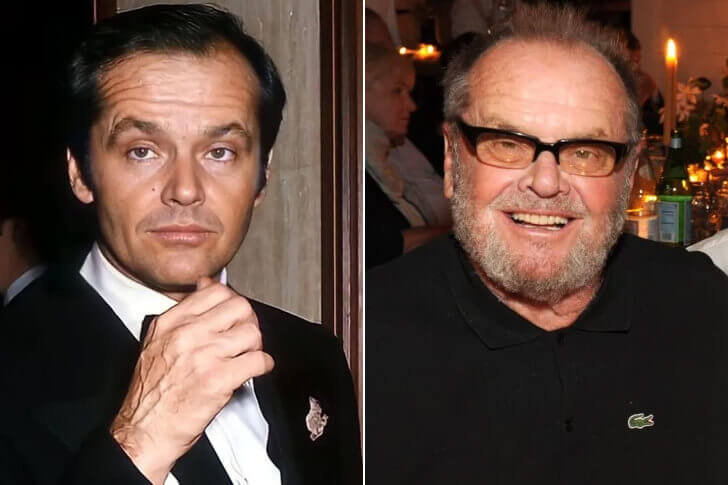
As older Hollywood vibes started to fade, Jack Nicholson came roaring into the spotlight in 1969, right when “Easy Rider” rewired the mood. He then rattled audiences with “Five Easy Pieces,” packing every scene with that edgy, lived-in tension. The momentum kicked up again with “Chinatown,” giving noir lovers a slick, modern classic to hold onto. And with “The Shining,” he dragged viewers straight into something deeply unsettling, all powered by that razor-controlled intensity.
By 1997, the trophies really started piling up after “As Good as It Gets” landed its mix of warmth, bite, and sharp humor. Before the big, iconic scripts, Jack put in years of steady studio work, building his timing and instincts across role after role. Later on, he shifted gears and leaned into painting, trading movie-set pressure for a quieter, more relaxed kind of focus.
Leslie Caron, Born 1931
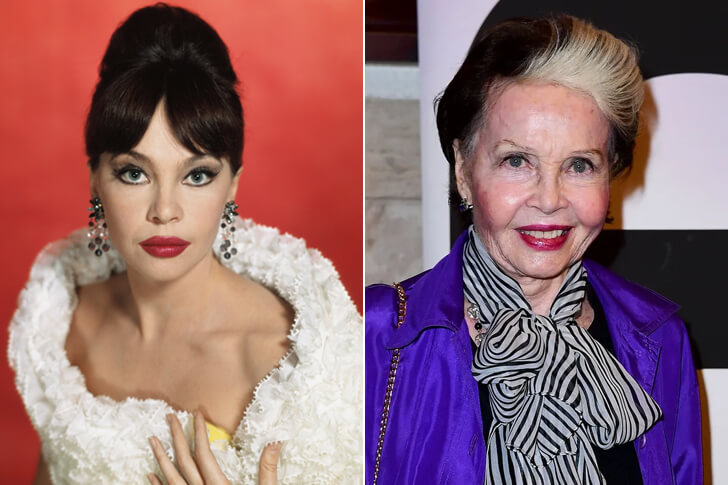
Few dancers have leapt into movie history as fast as Leslie Caron did, especially after “An American in Paris” charmed audiences with all that sparkle and style. She brought that same kind of spell to “Lili,” adding real feeling and subtlety, and it landed her an Academy Award nomination. Then came even more love when “Gigi” cleaned up at the Oscars, with Caron right at the heart of a worldwide musical moment.
Her years of ballet training in Paris gave her that effortless grace on screen. The story took an unexpected turn in 1970, when writing started to matter more than chasing film roles. In 2010, an Honorary César Award nodded to the strength of her later dramatic work. And in a twist that delighted longtime fans, she also spent years running a snug little boutique hotel in Burgundy, greeting guests herself.
Robert Duvall, Born 1931
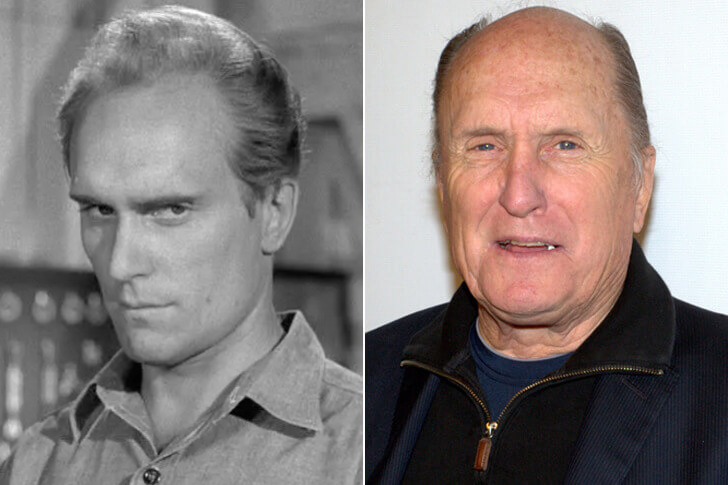
Long before Robert Duvall became a full-blown American movie icon, he was putting in the work onstage, stacking up those early theater seasons that would shape everything that came next. Then came “To Kill a Mockingbird,” slipping him into the orbit of a future classic. By 1972, audiences felt the spark in a whole new way when “The Godfather” showcased that razor-sharp calm he could hold like nobody else.
He pushed that intensity even further in “Apocalypse Now,” bringing a simmering, explosive edge to the film’s chaos. The trophies eventually caught up, with “Tender Mercies” landing him an Academy Award. In 1996, curiosity pulled him to Buenos Aires for tango lessons, and that detour ended up shifting his creative beat. All the while, he kept backing smaller film projects too, staying busy with the kind of work that feeds an artist, even between the big productions.
Angie Dickinson, Born 1931
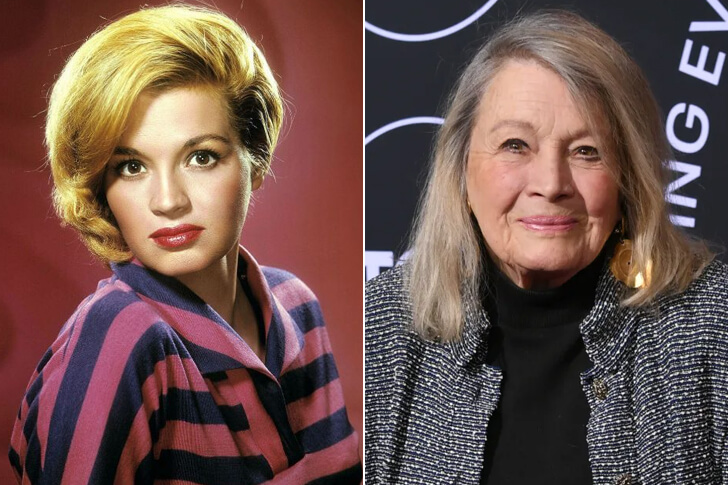
When Angie Dickinson showed up on 1950s television, viewers got someone who looked completely at home on camera. By 1959, she was turning heads in “Rio Bravo,” holding her own with that cool, confident spark alongside John Wayne. Later, her fame really took off with “Police Woman,” the hit series that landed her a Golden Globe. Life on that set moved fast, and she had to switch gears on the fly, which helped keep every scene feeling sharp and alive.
Before the spotlight, her early years included a stretch working as a secretary, until acting offered a much bigger path. Then there were the regular poker nights with Frank Sinatra’s crowd, the kind of side stories fans still eat up all these years later. Her role in “Ocean’s Eleven” also brought her back into the conversation, a nice reminder to longtime admirers that her charm never really went anywhere.
Billy Dee Williams, Born 1937
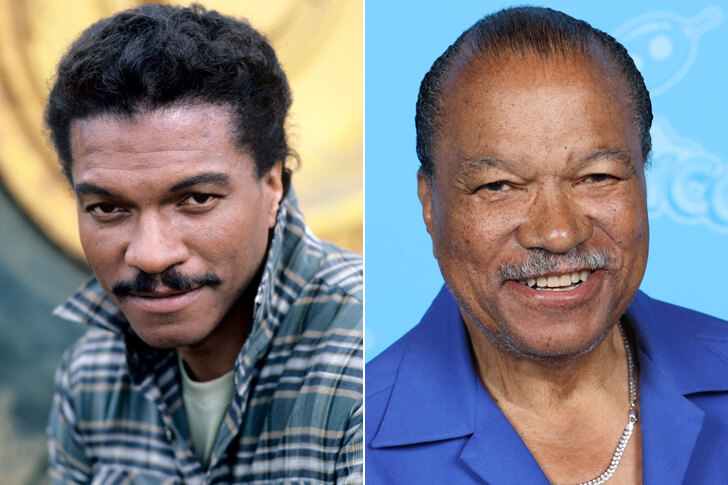
Let’s be real, some people don’t just show up with charm, they stroll in like they own the room. Billy Dee Williams hit 1970s cinema with that kind of effortless swagger. You could feel the buzz when “Lady Sings the Blues” teamed him up with Diana Ross. Then 1980 rolled around with “The Empire Strikes Back,” and suddenly Lando Calrissian was on screen, cool, confident, and instantly unforgettable.
Back then, he bounced between genres like it was nothing, romance one minute, action the next, and it always looked easy. Off set, painting stayed his go-to reset, with quick sketches turning into bright canvases that showed off his curiosity. Voice acting came along too, especially when animated “Batman” projects made good use of that smooth, welcoming tone. Later, he added author to the list, co-writing a 1999 novel with a nice hit of noir attitude.
Ron Howard, Born 1954
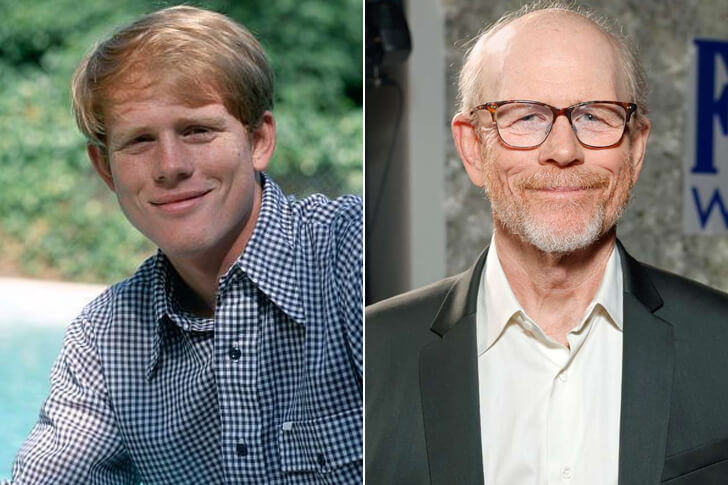
It’s hard to think about American TV finding its groove without Ron Howard right there, walking us through simple stories that somehow always hit you in the feelings. “The Andy Griffith Show” brought him into our living rooms as Opie, basically a weekly dose of small-town sweetness for the whole family. Then the vibe flipped with “Happy Days,” where everything felt cooler and faster, but his easy charm and warm humor still held the center.
Before long, his curiosity about directing started pulling him behind the camera, especially once a few short projects gave him room to experiment and build real confidence. The big awards moment arrived in 2002, when “A Beautiful Mind” swept up major Oscars and cemented him as more than just a familiar face. Even after decades of nonstop work, Ron never lost his love of history, which later fed into documentary projects. And yes, he still likes poking around small-town diners, soaking up stories from strangers who feel like they wandered in from the world he helped create on screen.
Shirley MacLaine, Born 1934
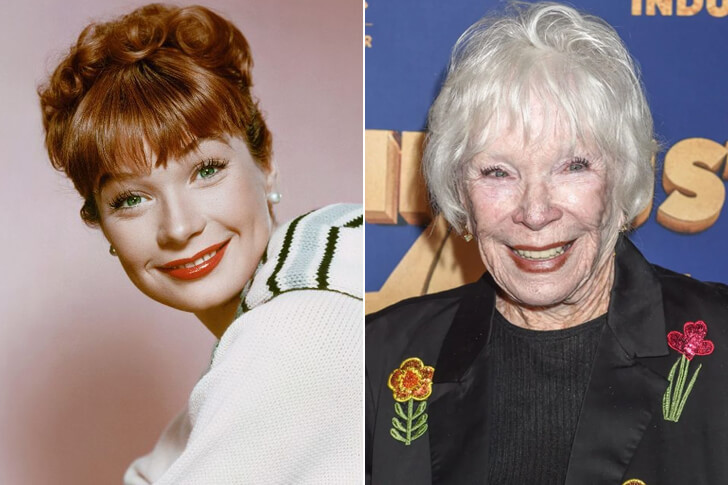
Not many actors burst into mid-century movies with the kind of surprising, can’t-look-away spark Shirley MacLaine had right out of the gate. You can feel it in “The Trouble with Harry,” where she shows up with this playful, offbeat rhythm that instantly keeps the whole thing humming. Then “The Apartment” takes that same energy and deepens it, mixing razor-sharp comedy with a soft, lingering sting.
A major milestone came in 1983, when “Terms of Endearment” won her an Academy Award. Before all that, she was a chorus dancer on Broadway, and you can tell those years taught her how to hit a moment perfectly, even when the pressure is on. And here’s a fun twist that popped up later, Shirley also dipped into travel writing, turning long trips into stories she’d share with friends, usually with a grin, on calm nights back at home.
Henry Winkler, Born 1945
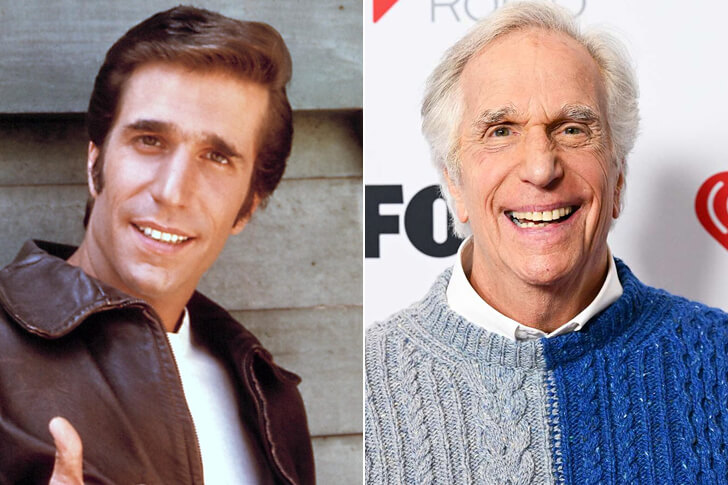
It’s easy to forget just how much Henry Winkler lit up TV when “Happy Days” rolled out Fonzie and that effortless, cool confidence. The show felt like a real shift, funny and warm in a way that pulled you in every episode. Of course, fame came with a packed calendar, but he still managed to squeeze in little bits of fun when the cameras weren’t rolling. And when the scripts called for fast emotional turns, his early training made those quick pivots look easy.
Then in 1977, “Heroes” gave viewers a reminder that he had real dramatic range, not just charm and catchphrases. Years later, writing became part of the story too, starting in 2004 with children’s books sparked by his visits to classrooms. Over time, Henry also found a lot of happiness in mentoring younger performers, sharing the kind of advice that keeps the creative fire going for anyone trying to carve out an imaginative life, one chapter at a time.
Ann Elder, Born 1942
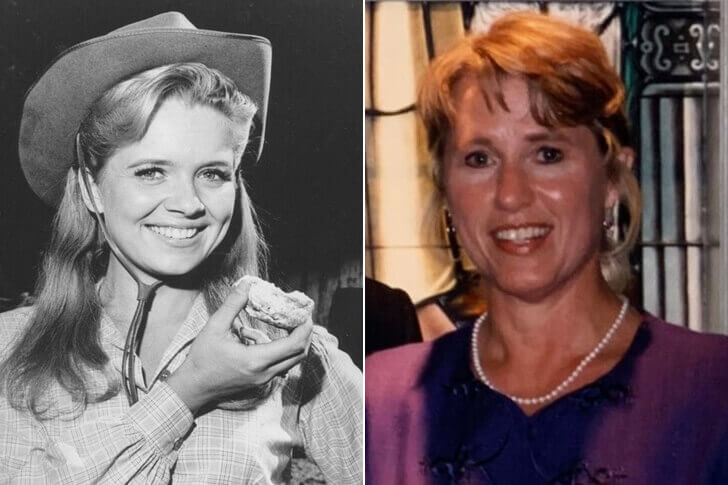
By the early 1970s, the comedy world was pretty freewheeling, and Ann Elder fit right in when she joined “Rowan and Martin’s Laugh-In.” She showed up with sharp timing and a sly, playful vibe. Those sketch-heavy days could get chaotic fast, especially when her fearless characters sent the writers hustling to keep up. People really started paying attention after her work on “Lily” landed her an Emmy, catching even some of her own colleagues off guard, the same folks who had watched her test punchlines backstage.
She popped up in film too, including a fun little moment in “Don’t Make Waves.” Her earlier modeling gigs came in handy when wardrobe changes had to happen at lightning speed. In 1976, her writing streak got even stronger with a second Emmy for another Lily Tomlin special. Ann also dipped a toe into producing with “A Funny Thing Happened on the Way to the White House.”
Robert Fuller, Born 1933
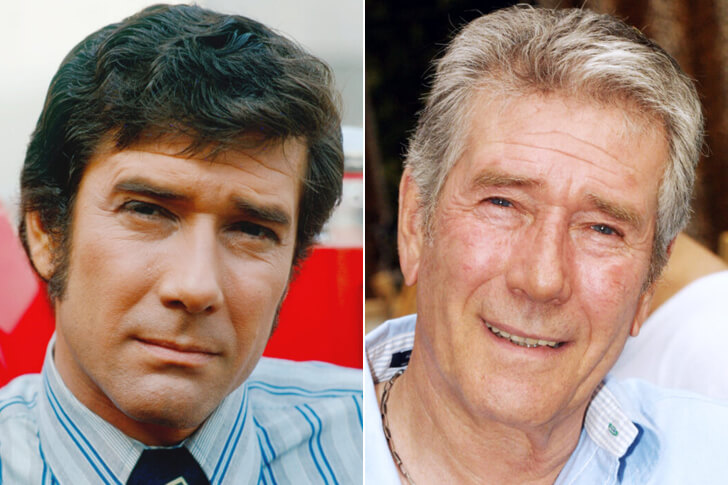
Robert Fuller always had that look, like he’d just come in off a dusty trail back when Western TV basically owned America’s living rooms. His big break hit in 1959 with “Laramie,” where he gave viewers a calm, capable lead with the kind of timing that made every frontier beat land. Then “Wagon Train” kept the momentum rolling, opening up bigger stories across the rugged scenery audiences couldn’t get enough of.
In 1972, his career took a sharp turn with “Emergency!,” swapping saddle-and-spurs for a modern rescue world, and his steady presence fit right in. Even after the cameras quieted down, his love of horses never really let up, so he leaned into rodeo events. Along the way, Western heritage groups kept recognizing his influence with awards, and he even ended up with a German fan club that celebrates him every year.
Warren Beatty, Born 1937
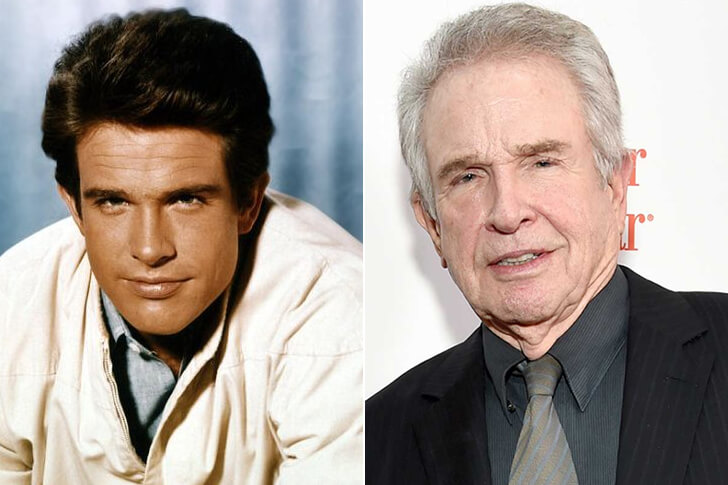
Let’s talk about Warren Beatty hitting his groove at a time when American movies were basically begging to be shaken up. After “Bonnie and Clyde” landed, Hollywood felt that jolt, the kind that makes directors sit up and rethink what people actually wanted to watch. Then “Shampoo” turned up the volume with sharp, clever comedy, and the Golden Globe he picked up for it felt less like a surprise and more like the obvious next step.
He pushed that ambition even harder in 1981 with “Reds,” a big, carefully built epic that ended up bringing him a major Academy Award. His curiosity about the nuts and bolts never really cooled off either, and he later said those quiet stretches spent obsessing over editing choices did a lot to build his confidence. Even now, film historians keep circling back to his fearless approach as a producer, because it’s a masterclass in taking creative swings.
Michael Richards, Born 1949
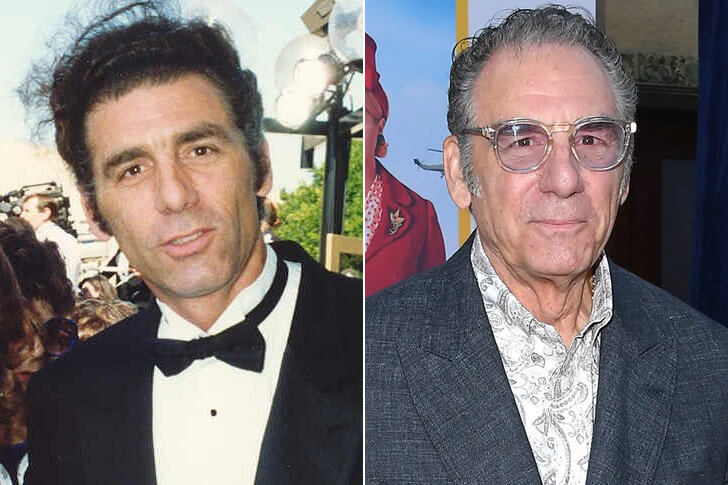
There’s just something you don’t forget about Michael Richards dropping into TV’s most chaotic comedy corners in the 1990s. Audiences lost it in 1989 when “Seinfeld” unveiled this oddball neighbor who could turn a simple hallway entrance into total mayhem. The awards didn’t exactly take their time either, with three Emmy wins backing up the idea that razor-sharp physical comedy could seriously raise the bar for sitcoms.
That momentum didn’t come out of nowhere. Back in 1980 on “Fridays,” the anything-can-happen sketches helped lock in the timing that would later become his signature. Then in 1992, improvisation workshops pushed him to take bigger swings, adding even more surprise to what he brought to each episode. And maybe the most impressive part, years of studying mime gave him that uncanny control behind every frantic, high-speed move you see on screen.
Burton Gilliam, Born 1938
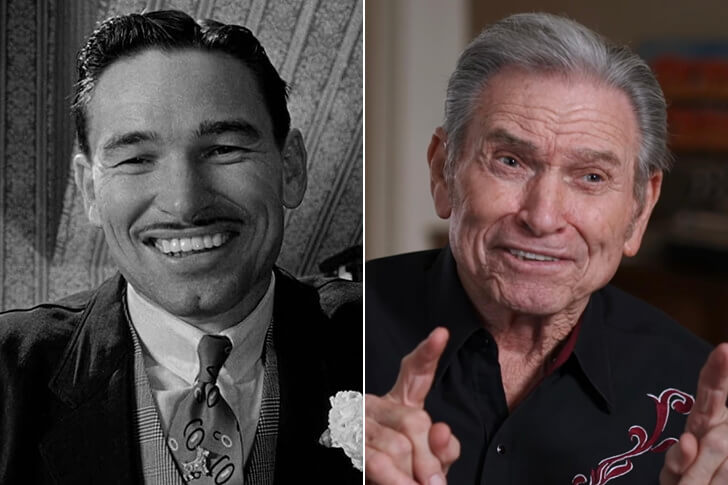
It’s easy to miss just how wild Burton Gilliam’s career pivot really was, he went from the Dallas fire department to the movies with a kind of surprise spark. Audiences really took notice when “Blazing Saddles” let him unleash that sharp, goofy energy that ended up steering his whole path. And even before that, “Paper Moon” in 1973 had already cracked the door open, showing off his easy, playful vibe before the bigger parts rolled in.
Through the 1980s, he stayed busy with guest roles on TV, and directors kept calling because his timing was quick and his delivery landed. Commercials turned into another reliable track in that same period, giving him a wider, national spotlight. Even with the acting work, Burton never fully lost touch with the firefighting world, showing up often at charity events throughout the 1990s. And way back in his early days, he even boxed in Golden Gloves competitions, which helped explain that confident, physical presence he brought on camera.
Michael Gross, Born 1947
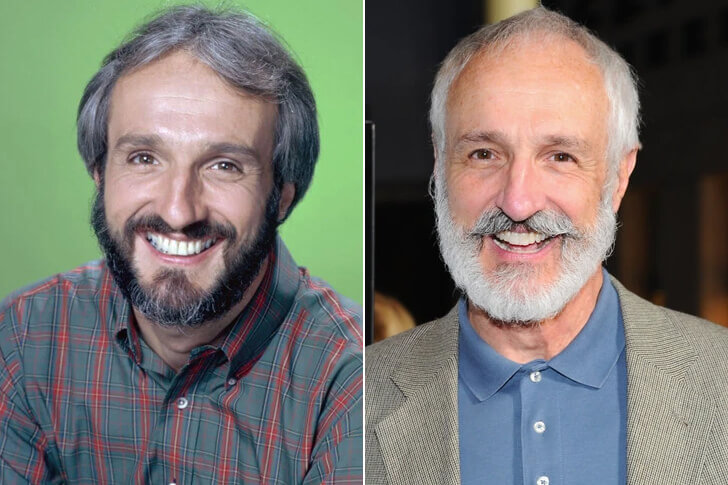
Michael Gross first strolled into America’s living rooms on “Family Ties,” where he gave the sitcom its steady, warm center. Then he switched it up with “Tremors,” helping turn a dusty little desert town into a long-running cult obsession that still gets love decades later. That sharp timing did not come out of nowhere either, his Yale drama training helped him land the beats in a way audiences really felt.
Throughout the 1980s, movie work kept him busy with dependable character parts, and directors who appreciated a pro leaned on him to stretch his range. In 1996, he found a new groove in documentary narration, bringing a calm, confident voice to environmental stories. And here’s a fun twist, when he wasn’t on set, photography became his low-key creative escape between the long shoots.